India’s Four Labour Codes Come Into Effect: Transforming Worker Rights and Industrial Relations (From 21st November 2025)
Introduction
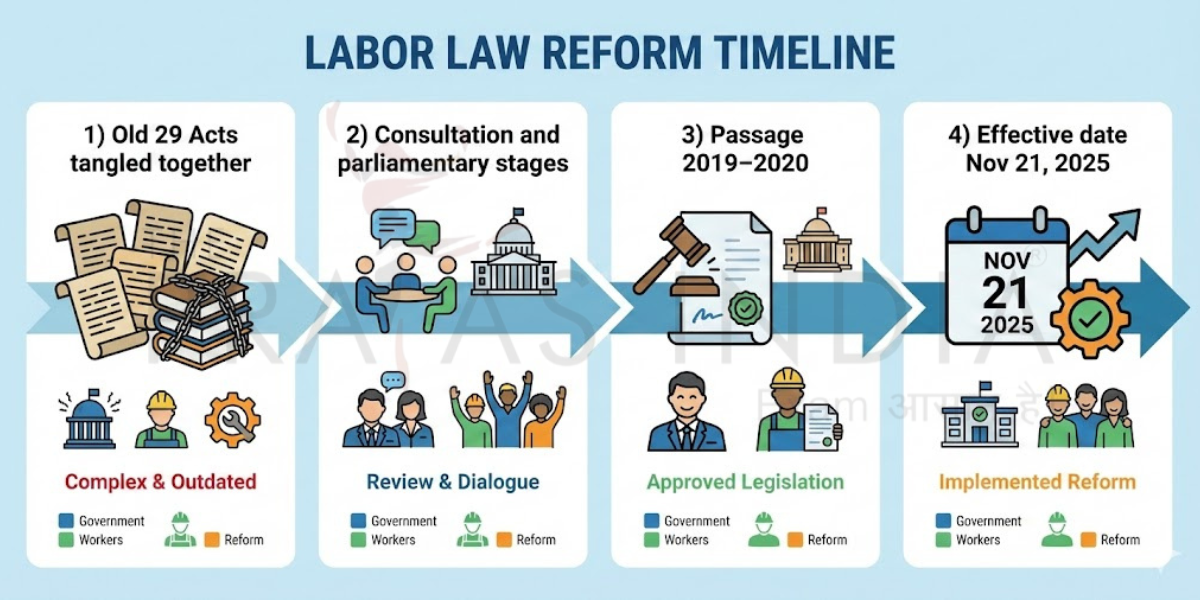
On November 21, 2025, the Government of India activated a historic reform: the four comprehensive Labour Codes officially replace 29 legacy labour laws, fundamentally changing India’s landscape of worker rights, industrial relations, social security, and workplace safety. Covering 50 crore workers across formal, informal, gig, and platform sectors, these codes are designed to empower workers and simplify compliance for employers.
Why Was Reform Needed? Historical Context
For decades, Indian labour law was a complex maze: over 44 central and state laws, over 1,200 clauses, overlapping definitions, and inconsistent coverage left most of India’s 50 crore workers—especially the unorganized 90%—outside the net of wage and social security protection.
After 18 years of expert reports and years of stakeholder consultation, Parliament passed four new codes. These consolidate, modernize, and universalize workers’ rights for the first time in independent India.
What Are the Four Labour Codes?
1. Code on Wages, 2019
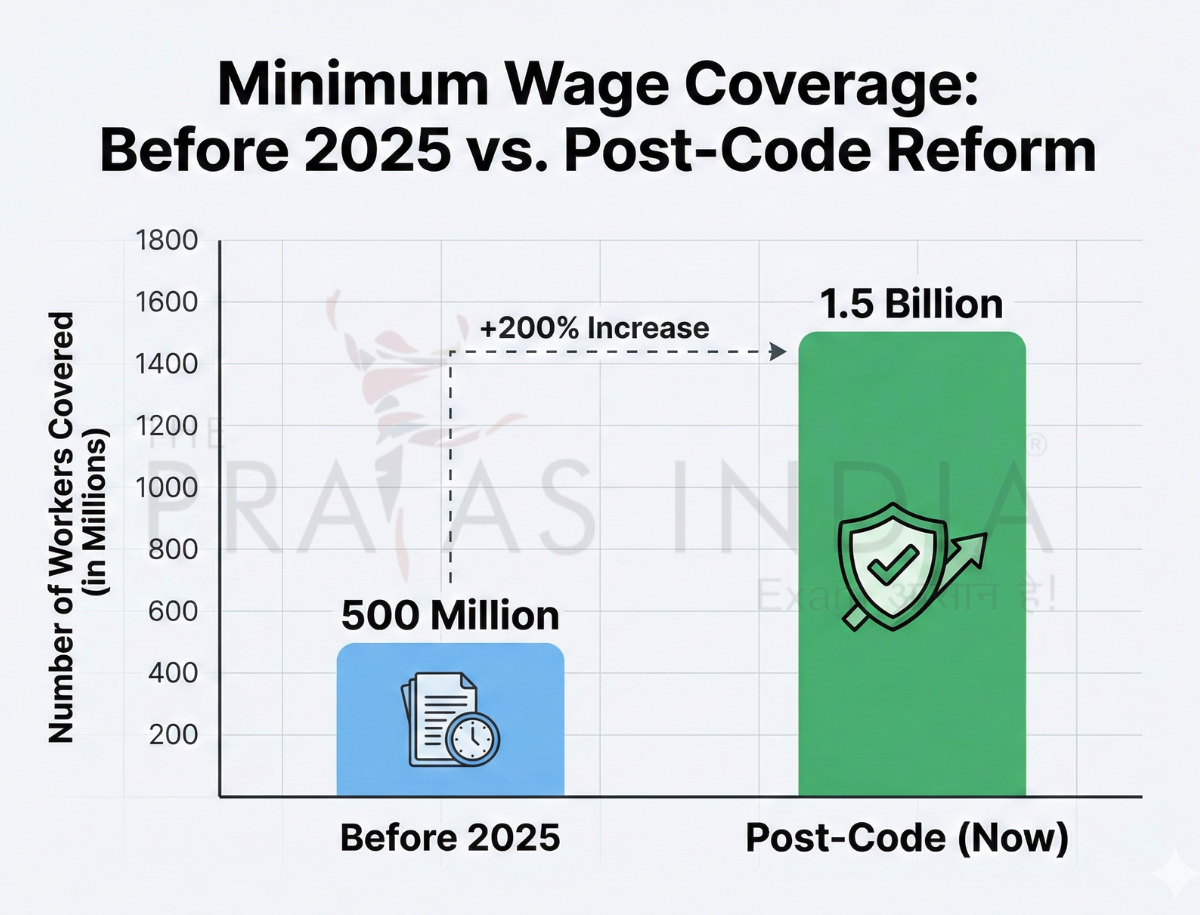
- Universal Minimum Wages: All employers (industry, trade, business, unorganized sector) must pay at least the statutory minimum wage, covering nearly 50 crore workers for the first time.
- Floor Wage: A national “floor wage” helps standardize pay across regions, reviewed every five years.
- Timely Payment: Makes it legally mandatory to pay wages promptly (monthly/weekly), preventing employer delays.
- Equal Remuneration: Prohibits gender-based wage discrimination.
- Simplified Compliance: Inspector-cum-Facilitator system replaces inspector raj with technology-driven, web-based inspections.
2. Code on Social Security, 2020
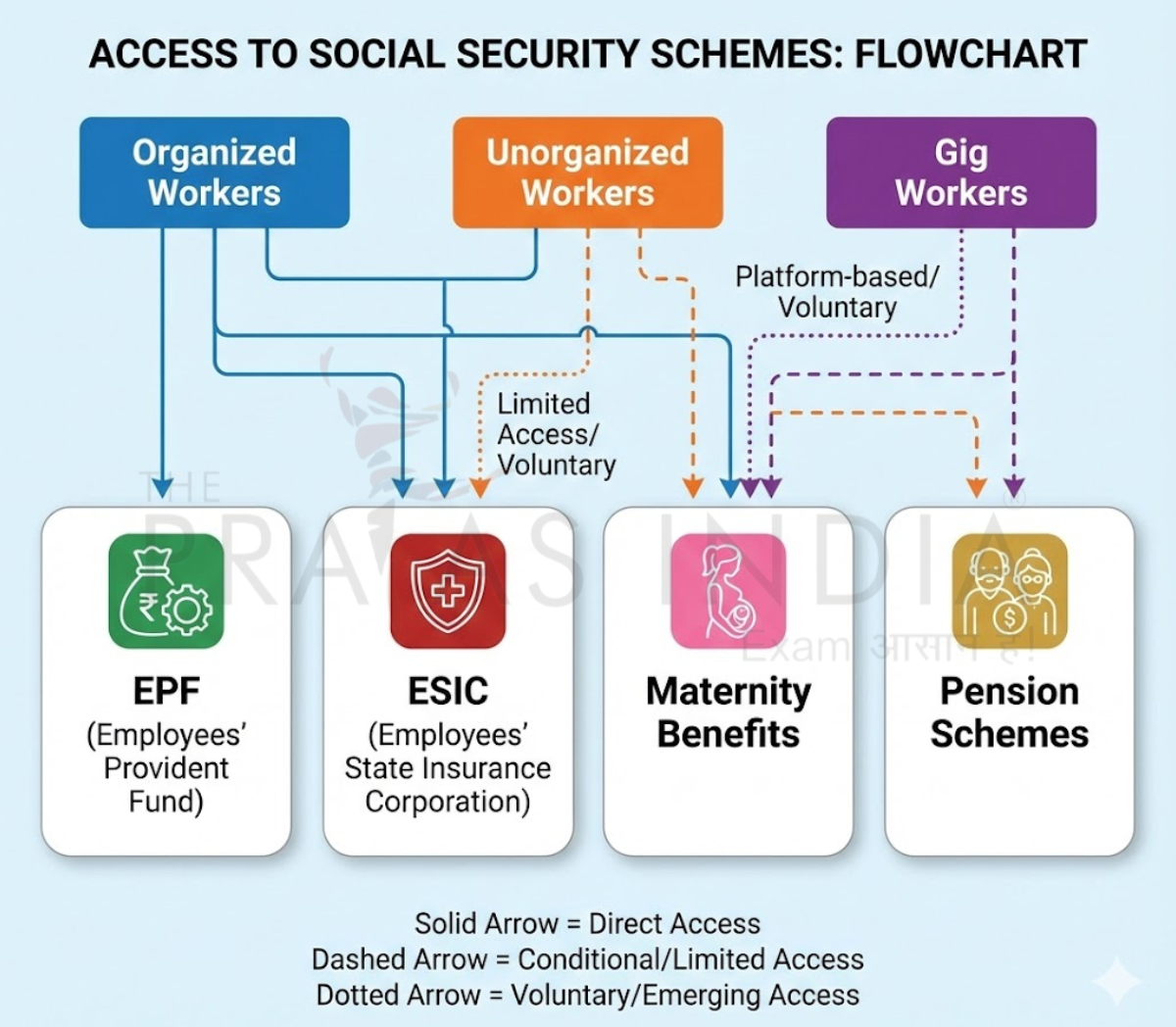
- Expanded Coverage: Extends Employees’ Provident Fund (EPF), Employees’ State Insurance (ESIC), maternity, gratuity, and pension benefits to unorganized, self-employed, gig, and platform workers.
- Universal Account Number: Aadhar-based UAN links workers to social security, guaranteeing portability and transparency.
- Social Security Fund: Creates a fund for 40 crore unorganized workers, ensuring coverage even for fixed-term contract workers.
- Technology First: National database for unorganized workers; online job/vacancy reporting by employers.
3. Occupational Safety, Health and Working Conditions Code, 2020
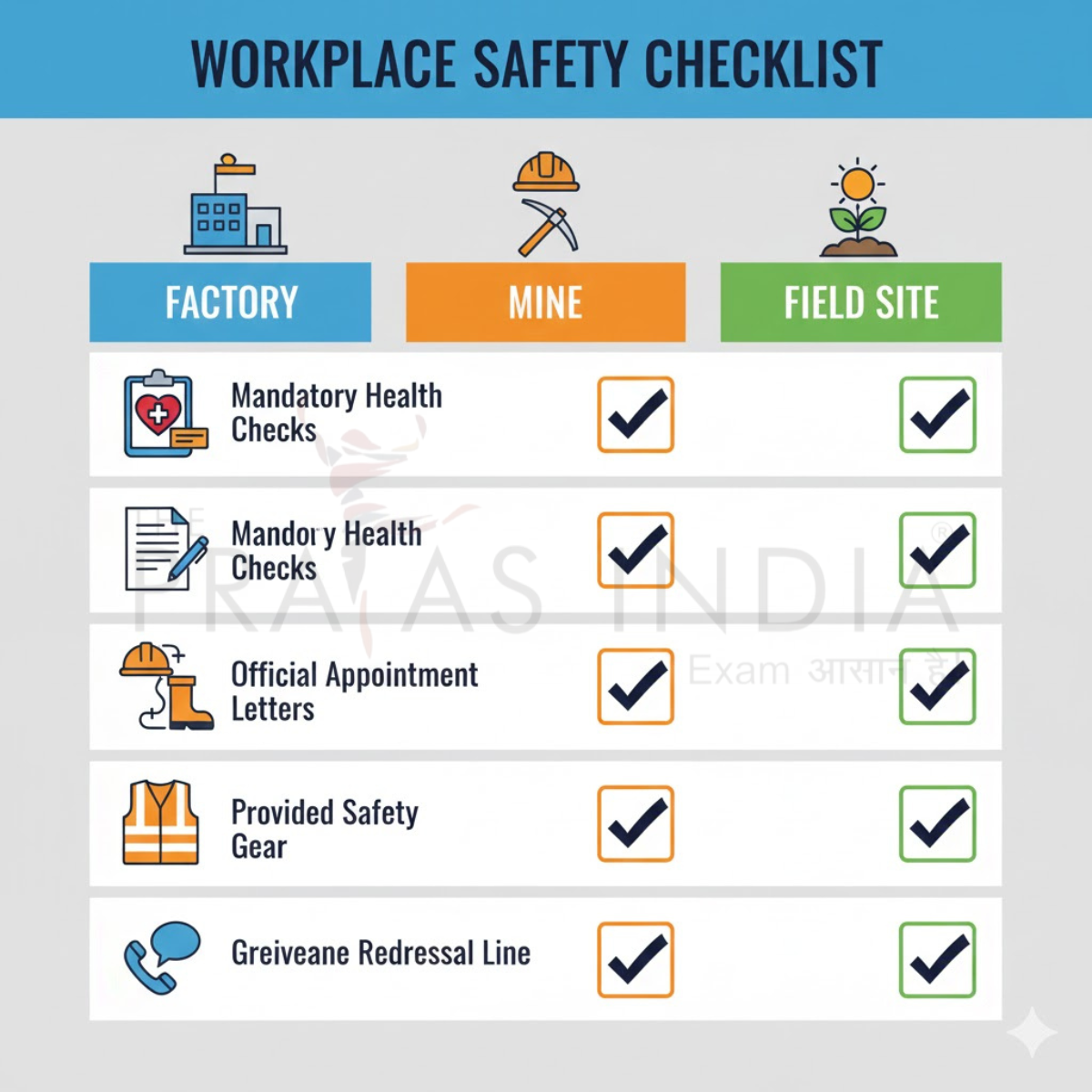
- Unified Safety Standards: Amalgamates 13 laws; standardizes norms for factories, mines, construction, plantations, transport, contract, and migrant workers.
- Migrant Worker Benefits: Legal identity via registration; eligibility for travel allowance, One Nation-One Ration Card, and full access to social security.
- Women Empowerment: Mandates appointment letters, health checks; introduces legal night shift rights & safety for women workers.
- Grievance Redressal: Mandatory helplines in every state.
4. Industrial Relations Code, 2020
- Empowered Unions: Recognizes trade unions with 51% votes as sole negotiating agent, boosting collective bargaining.
- Reskilling and Unemployment Allowance: Laid-off workers receive re-skilling pay and unemployment benefits under Atal Bimit Vyakti Kalyan Yojana.
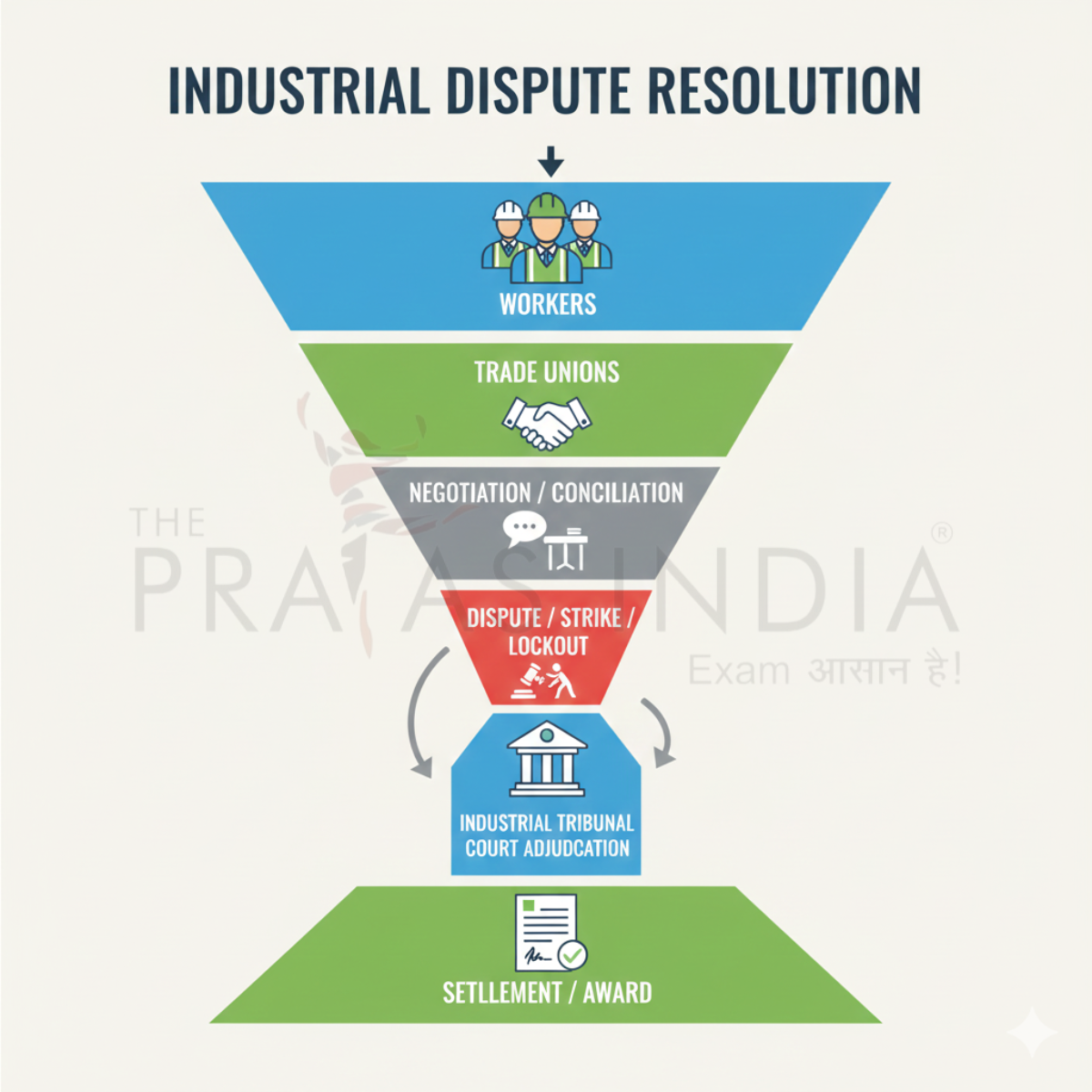
- Faster Dispute Settlement: Labour Tribunals are required to resolve cases within a year, reducing long delays and adversarial processes.
- Flexible Local Rules: States have power to adapt relevant sections for regional needs and industrial diversity.
How Is This Different From Before?
Major Changes Under New Labour Codes
| Area | Old Regime | 2025 Labour Codes |
|---|---|---|
| Coverage | Only organized sector, partial unorganized | Universal (unorganized + gig) |
| Minimum Wages | Fragmented, loopholes | Guaranteed, timely payment |
| Social Security | Limited, slow portability | Universal, digital UAN |
| Industrial Dispute | Multi-layered, slow | Tribunals, time-bound settlement |
| Women Workers | Night shift restricted, low inclusion | Legal right, mandatory safety |
| Compliance | Multiple returns/forms | One return, web-based inspections |
Strategic Benefits and Anticipated Impact
For Workers:
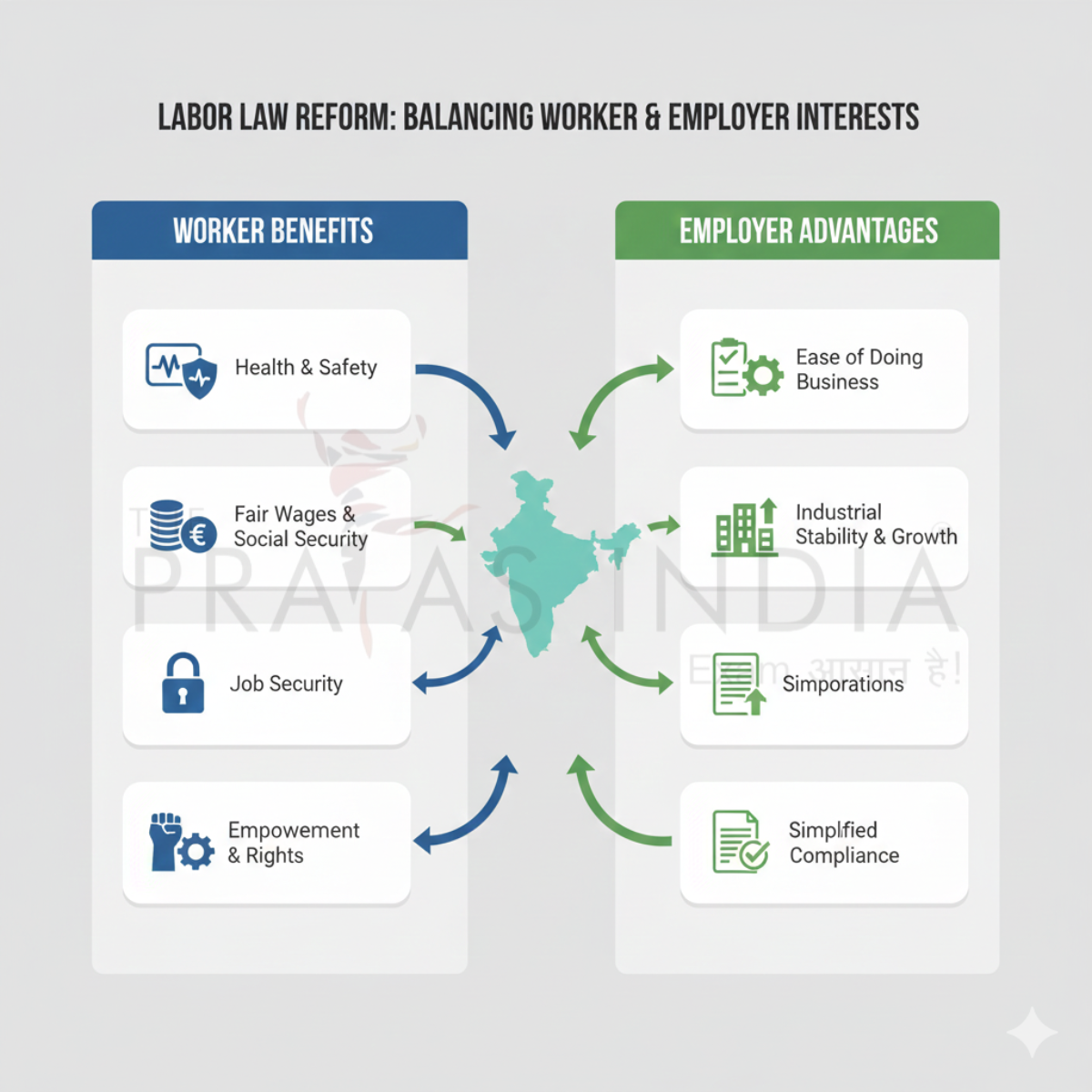
- Wage security for all, not just regular employees.
- Access to insurance, pension, gratuity, and maternity leave regardless of employment type (including fixed-term and gig).
- Safer, healthier workplaces with guaranteed health checks and grievance redressal.
- Formalized identity and portability across jobs and locations.
- Women’s empowerment—equal pay, legal night work, mandatory facilities.
For Employers:
- One registration, license, statement for multiple codes.
- Online, tech-driven compliance and inspection regimes reduce risk and expense.
- Stable business climate encourages investment and innovation.
- Local adaptation flexibility (via state rules).
For India’s Economy:
- Boosts “Ease of Doing Business”—fewer procedural barriers, improved global ranking.
- Protects vulnerable and unorganized workers, improves productivity and job creation.
- Reduces disputes, increases harmony between labour and industry.
Special Focus: Migrant and Women Workers
- Migrant workers gain legal identity, access to benefits in new states, and full ration rights via national One Nation-One Ration Card integration.
- Women workers can now work night shifts if they wish, with employers mandated to provide safe transport and facilities.
- Maternity leave extended to 26 weeks; crèche required for establishments with 50+ staff; free annual health exams made mandatory.
Timeline and Next Steps
- Drafts and stakeholder consultations: 2015–2019 (9 tripartite meetings).
- Passage in Parliament: 2019 (Wages), 2020 (others).
- Notification and State rules: 2021–2025.
- All four codes become effective: November 21, 2025. All existing businesses and new employers must comply from this date forward, with state governments adapting relevant sections.
Challenges and Areas for Watch
- Ensuring last-mile delivery for unorganized and gig workers—digital literacy, database registration.
- Some ambiguity in implementation during transition period; continued need for awareness and simplification.
- Balancing state-level flexibility with national minimum standards and uniformity.
Frequently Asked Questions (FAQs)
Q1. Why did four codes replace 29 labour laws?
To modernize, simplify, and universalize rights, covering all workers with one set of rules, reducing paperwork and exploiting technology for transparency.
Q2. Who gains from the new Labour Codes?
Formal/informal, gig/platform workers, women, migrant labour, and employers all benefit from universal wage and security, safer workplaces, and simplified systems.
Q3. What is the role of technology under these codes?
Aadhaar-UAN for workers, online compliance, e-inspection, and grievance portals enable digital delivery and portability of benefits.
Q4. Are the codes pro-worker or pro-business?
They combine strong universal worker protections with streamlined, less expensive business procedures for employers—a balanced, win-win reform.
Q5. How is compliance monitored?
Web-based random inspection, inspector-cum-facilitator model, and mandatory digital reporting replace old inspector raj and physical paperwork.