Major Passes in India: Geography, Strategy & Connectivity
- GS Paper 1: Physical Geography, Geomorphology, Himalayas & Mountain Systems
- GS Paper 3: Disaster Management (Landslides, Avalanche-prone zones), Border Management
- Prelims: Physiography of India, Map-based questions, Location-based MCQs
- Geography Optional: Geomorphology, Mountain Landforms, Climatic Influences on Relief
Introduction
A mountain pass is a natural gap, depression, or saddle-like opening in a mountain range that allows easier movement across otherwise rugged terrain. Passes have historically functioned as gateways for trade, migration, cultural diffusion, military campaigns, and climatic exchange.
India’s physiographic diversity—Trans-Himalayas, the Great Himalayas, Western & Eastern Ghats, and Peninsular highlands—contains some of the world’s highest, most strategic, and most climate-influential passes. These passes continue to shape India’s border security, connectivity, disaster management, ecology, and economic integration.
Classification of Passes in India
Mountain passes in India can be grouped region-wise:
A. Trans-Himalayan Passes
Located in Ladakh, part of the Karakoram, Zanskar, and Ladakh ranges. These are high-altitude, cold-desert passes, often above 5,000 m.
B. Himalayan Passes
Divided into:
- Western Himalayas (J&K, Himachal Pradesh)
- Central Himalayas (Uttarakhand)
- Eastern Himalayas (Sikkim, Arunachal Pradesh)
Influenced by tectonic uplift, glacial action, and deep river incision.
C. Peninsular Passes
Located in:
- Western Ghats (major trade corridors)
- Eastern Ghats (softer, weathered hill gaps)
- Peninsular Plateaus (structural gaps such as Satpura–Vindhya)
D. Strategic International Border Passes
Located along:
- India–China (LAC)
- India–Myanmar
- India–Nepal
These are crucial for border defense, trade, and diplomacy.
Geomorphology Behind the Pass Formation
Passes are shaped by:
- Glacial erosion (cirques merging to form cols)
- River incision (water gaps)
- Tectonic uplift (fractures creating lower saddles)
- Weathering and mass wasting (plateau gaps)
Thus, passes represent the interaction of tectonics + climate + erosion over millions of years.
Major Passes of India – Region-Wise Detailed Notes
A. Trans-Himalayan Passes (Ladakh & LAC Region)
These are among the world’s highest and most isolated passes, vital for India–China border logistics.
1. Khardung La
- Altitude: ~5,359 m
- Location: North of Leh, gateway to Nubra Valley
- Significance: Main route to Siachen Glacier; crucial for Indian Army supply lines.
- Features: One of the highest motorable passes; cold desert climate.
2. Kunzum Pass
- Altitude: ~4,551 m
- Location: Between Lahaul and Spiti valleys (Himachal)
- Importance: Connects Manali–Kaza route; tourism gateway; glacial landscapes.
- Cultural note: Base route for Spiti Buddhist monasteries.
3. Shipki La
- Altitude: ~4,720 m
- Location: Himachal Pradesh (Kinnaur), Indo–China border
- Relevance: Official India–China border trade route; Satluj river enters India here.
- Strategic: ITBP presence; sensitive security zone.
4. Lanak La
- Location: Aksai Chin (claimed by India, controlled by China)
- Importance: Historically part of the Tibet–Ladakh trade route.
5. Karakoram Pass
- Altitude: ~5,540 m
- Features: One of the highest ancient trade routes of the Silk Road.
- Location: Between Ladakh and Xinjiang.
- Strategic: Critical in India’s border claims.
6. Marsimik La
- Altitude: ~5,582 m
- Location: Close to Pangong Tso; near LAC
- Importance: Access to Finger areas; critical for surveillance.
B. Western Himalayan Passes (J&K, Himachal Pradesh)
1. Banihal Pass
- Location: J&K, Pir Panjal
- Importance: Connects Kashmir Valley with Jammu.
- Tunnel: Jawahar Tunnel and now the upgraded Banihal–Qazigund Tunnel ensure all-weather connectivity.
2. Zoji La
- Location: Between Srinagar and Leh
- Importance: Lifeline to Ladakh; snowbound in winter.
- Project: Zoji La Tunnel under construction will give year-round connectivity.
3. Rohtang Pass
- Location: Himachal Pradesh
- Significance: Connects Kullu to Lahaul-Spiti.
- Tunnel: Atal Tunnel (Rohtang) bypasses the pass and provides all-weather route.
4. Bara-Lacha La
- Altitude: ~4,890 m
- Location: Key point on Manali–Leh highway
- Characteristics: A triple watershed area.
5. Nathu La
- Location: Sikkim (India–China border)
- Importance: Border trade, Kailash–Mansarovar access
- Strategic: One of the few regulated routes across LAC.
6. Jelep La
- Location: Sikkim
- Importance: Historical trade route with Tibet.
C. Central & Eastern Himalayan Passes (Uttarakhand, Sikkim, Arunachal Pradesh)
1. Mana Pass
- Altitude: ~5,600 m
- Location: Uttarakhand
- Importance: Near Badrinath; route to Tibet historically.
2. Lipulekh Pass
- Location: Uttarakhand (Pithoragarh)
- Use: Kailash–Mansarovar pilgrimage.
- Recent Issue: India–Nepal–China tri-junction tensions.
3. Niti Pass
- Location: Uttarakhand
- Importance: Trade route till 1962; controlled access now.
4. Se La
- Location: Arunachal Pradesh
- Importance: Connects Tawang to other regions.
- Strategic: Crucial for India’s defense corridor.
- Project: Sela Tunnel recently inaugurated.
5. Bomdila Pass
- Location: Arunachal Pradesh
- Importance: Route to Tawang; historically vulnerable during 1962 conflict.
6. Diphu Pass
- Location: Tri-junction of India–China–Myanmar
- Relevance: Border patrol significance.
D. Passes in the Western Ghats
These passes historically linked coastal ports with interior Deccan and influenced monsoon wind channelling.
1. Palghat Gap
- Location: Between Nilgiri Hills and Anaimalai Hills
- Width: ~30–40 km (largest gap in Western Ghats)
- Importance:
- Allows moist winds into Tamil Nadu
- Major rail/road corridor connecting Kochi–Coimbatore
- Cultural & linguistic exchange zone
2. Bhor Ghat
- Location: Connects Mumbai with Pune
- History: Ancient Satavahana trade route; now Mumbai–Pune Expressway.
3. Thal Ghat (Kasara Ghat)
- Location: Connects Mumbai with Nashik
- Relevance: Major rail corridor (Bhore & Thal tables by British).
4. Shencottah Gap
- Location: Kerala–Tamil Nadu border
- Importance: Link between Kollam–Tamil Nadu.
5. Kambam Pass
- Location: Between Palani and Cardamom Hills
- Importance: Gateway to Tamil Nadu plains.
E. Eastern Ghats & Peninsular Passes
The Eastern Ghats are discontinuous; passes are wider and lower.
- Ghat Roads of Odisha: Koraput–Rayagada
- Araku–Srikakulam routes: Connect Andhra plateaus
- Shillong Plateau gaps: Used for early tea trade routes
Compared to the Himalayas, these passes are shaped more by erosion, weathering, and structural weaknesses.
Historical Significance of Passes
1. The Silk Route & Karakoram Pass
Karakoram Pass was part of the ancient transcontinental trade route connecting China with Central Asia and India.
2. Banihal & Zoji La
Key axes for Mughal, Afghan, Sikh, and Dogra rulers to access Kashmir.
3. Himalayan Cultural Transmission
Buddhism spread through passes like Nathu La and Jelep La.
4. Colonial Trade
British expanded connectivity through passes like:
- Bhor Ghat
- Thal Ghat
to link Mumbai with hinterland cotton & railways.
Strategic & Defence Importance
- Khardung La: Backbone of Siachen logistics.
- Shipki La, Nathu La: Key LAC trade/military points.
- Se La, Bomdila: Crucial for Indo-China strategies.
- BRO (Border Roads Organisation): Builds and maintains access in avalanche-prone zones.
Passes thus define mobility, early warning, surveillance, and supply chains in border management.
Economic & Cultural Importance
- Trade Corridors: Western Ghat passes drove spice & textile trade.
- Pilgrimage Routes: Kailash–Mansarovar via Lipulekh.
- Tourism: Rohtang, Zoji La, Khardung La attract thousands.
- Transhumance: Tribal communities like the Bhotiyas, Gujjars, Changpas move seasonally across passes.
- Cultural exchange: Passes served as meeting zones for languages, food practices, and rituals.
Climate Influence of Passes
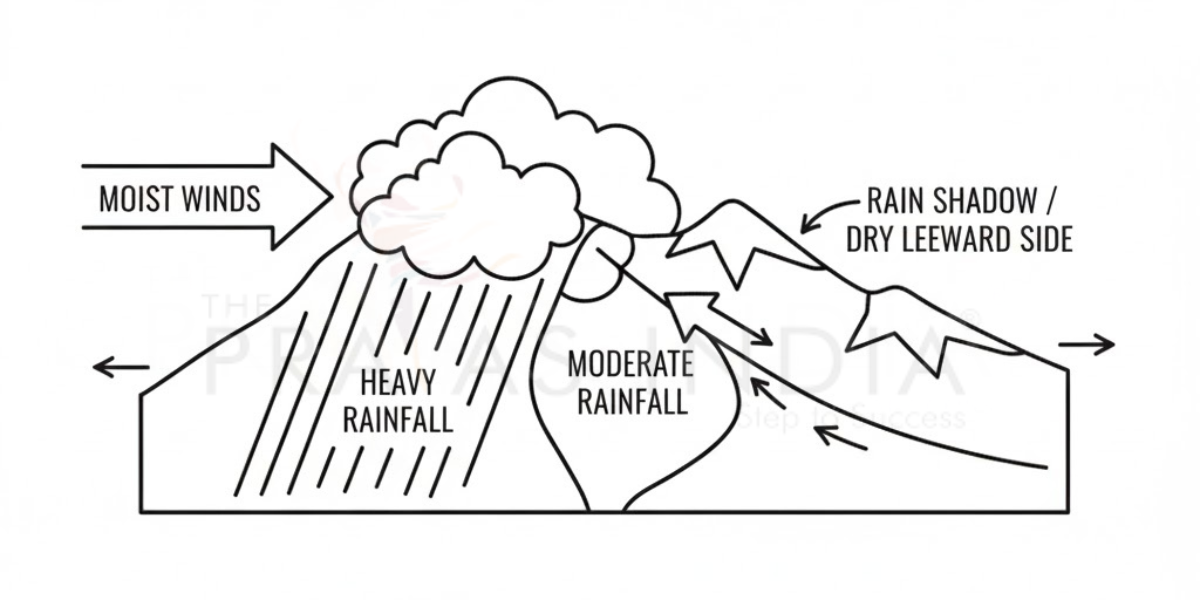
Passes significantly modify regional microclimates.
- Palghat Gap lets humid winds enter Tamil Nadu, increasing rainfall.
- Western Ghats gaps channel monsoon winds inland.
- High Himalayan passes allow cold air advection into valleys.
- Snowfall at passes like Zoji La influences valley hydrology.
Government Projects & Connectivity
1. Zojila Tunnel
Will provide all-weather access to Ladakh.
2. Atal Tunnel
Transformed Manali–Lahaul connectivity.
3. Sela Tunnel
Enhances access to Tawang, boosting strategic capacity.
4. Smart Border Management
Integrated surveillance systems for mountain passes.
5. BRO Projects
High-altitude road widening, avalanche galleries, and pre-fab bridges.
Recent News Relevance
- Sela Tunnel inauguration improved Eastern Himalaya connectivity.
- Kailash–Mansarovar alternative routes via Uttarakhand being expanded.
- Tourism restrictions at Rohtang due to ecological concerns.
- India–China standoff discussions repeatedly mention Nathu La and Shipki La.
- Avalanche vulnerability concerns at Zoji La, Khardung La.
Sample UPSC PYQs Linked to Passes
- Match the following passes with their states: (Zoji La, Nathu La, Bomdila, Lipulekh)
- Which of the following passes connect India with Tibet?
- The Palghat Gap is located between which hills?
- Why are mountain passes important in climate and hydrology?
- Which pass forms a part of the ancient Silk Route?
Conclusion
Mountain passes are strategic arteries, ecological modifiers, cultural linkages, and economic corridors. From the cold desert heights of Ladakh to the tropical corridors of the Western Ghats, passes continue to shape India’s security, connectivity, biodiversity, and climate systems.
As India expands infrastructure through tunnels, all-weather roads, and smart-border systems, it must balance development with the fragile Himalayan ecology, ensuring sustainable and disaster-resilient connectivity.
FAQs on Major Passes in India
1. What is a mountain pass?
A mountain pass is a natural gap or depression in a mountain range that allows easier movement across otherwise rugged terrain. Passes often serve as trade routes, military corridors, and cultural exchange points.
2. Why are mountain passes important for India?
India’s passes are crucial for border security, international trade, tourism, pilgrimage routes, and historical linkages like the Silk Route. They also influence climate movement, such as the Palghat Gap enabling monsoon flow into Tamil Nadu.
3. Which are the highest passes in India?
Some of the highest include:
- Marsimik La (5,777 m) – Ladakh
- Khardung La (5,359 m) – Ladakh
- Mana Pass (5,545 m) – Uttarakhand
- Karakoram Pass (5,540 m) – Ladakh
4. What is the difference between a Himalayan pass and a peninsular pass?
- Himalayan passes are high-altitude, glaciated, and strategically important along the India–China border.
- Peninsular passes (Western & Eastern Ghats) are low-altitude gaps aiding transport, trade, and monsoon movement.
5. Which passes link India with China?
Key India–China passes include Nathu La, Jelep La, Shipki La, Lipu Lekh, Mana Pass, Niti Pass, Karakoram Pass, and Lanak La.
6. Why is the Palghat Gap climatically significant?
It allows southwest monsoon winds to enter interior Tamil Nadu, moderating temperatures and enhancing rainfall distribution.
7. Which passes are important for the Kailash–Mansarovar Yatra?
Lipulekh Pass (Uttarakhand) and Nathu La Pass (Sikkim) are used as pilgrimage routes.
8. What is the role of BRO in maintaining passes?
The Border Roads Organisation (BRO) builds and maintains strategic road networks, tunnels, and high-altitude infrastructure such as Atal Tunnel and the ongoing Zoji-La Tunnel.
9. Which passes frequently appear in UPSC map-based questions?
Khardung La, Rohtang, Zoji La, Nathu La, Jelep La, Lipulekh, Mana Pass, Palghat Gap, Bhor Ghat, and Shencottah Gap are commonly asked.
10. What challenges affect Himalayan passes?
Frequent avalanches, landslides, glacial movement, extreme winter closure, and disaster vulnerability due to fragile mountain ecology.