Mountain Ranges in the World – Formation, Distribution, Climate Influence & Global Significance
- GS Paper 1: Physical Geography – Geomorphology, Mountain Building Processes, World Geography
- GS Paper 3: Environment, Climate Change, Biodiversity Hotspots
- Prelims: Physiography, Map-based Questions, Important World Mountain Systems
- Geography Optional: Geomorphology, Climatology, Biogeography, World Physical Geography, Tectonics
Introduction
Mountain ranges are large, linear elevated landforms that extend for hundreds to thousands of kilometers across the Earth’s surface. They form through a variety of geological processes such as plate tectonics, volcanic activity, rifting, and long-term erosion. These ranges play a critical role in shaping global climate systems, influencing monsoon patterns, forming river systems, and supporting immense biodiversity.
Mountains & Plate Tectonics
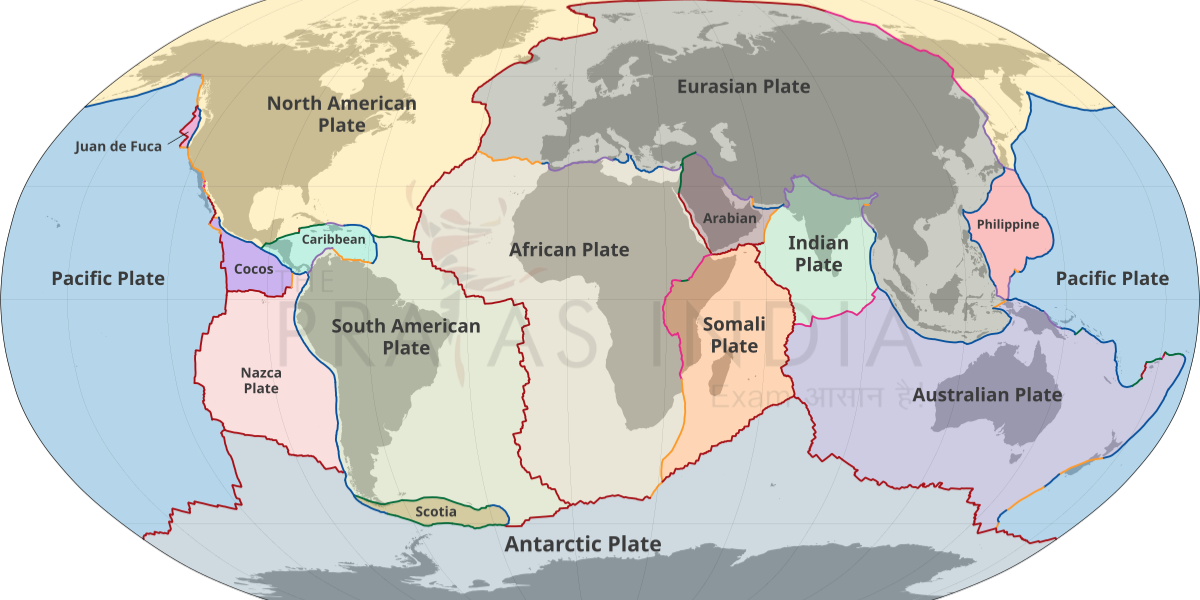
Most major mountain systems of the world are a direct result of plate boundary interactions, especially:
- Convergent boundaries: Formation of fold mountains (Himalayas, Andes).
- Divergent boundaries: Rift-related highlands (East African rift mountains).
- Transform boundaries: Local uplift zones (California).
- Hotspot activity: Volcanic mountains (Hawaii, Galápagos).
Mountains modify wind flow, rainfall distribution, glacier formation, and act as critical water towers of the world, feeding major river systems.
Classification of Mountain Ranges
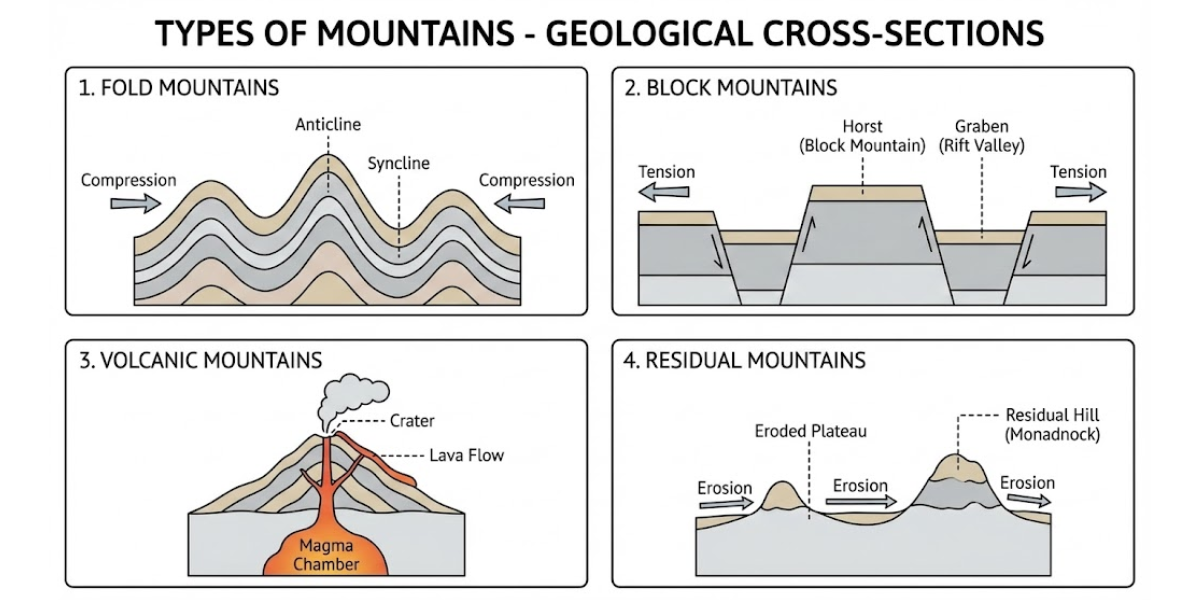
1. Fold Mountains
Formed by compression at convergent plate boundaries, where sediments are folded.
Examples:
- Himalayas
- Andes
- Alps
- Rockies
2. Block Mountains
Formed due to faulting—uplifted blocks (horsts) or down-dropped blocks (grabens).
Examples:
- Vosges
- Black Forest
- Sierra Nevada
3. Volcanic Mountains
Created by volcanic eruptions, hotspots, or subduction zones.
Examples:
- Mount Fuji
- Mauna Loa (Hawaii)
- Kilimanjaro
4. Residual Mountains
Formed through long-term erosion of old mountain systems.
Examples:
- Aravalli Range
- Appalachian remnants
Major World Mountain Ranges
A. Asia
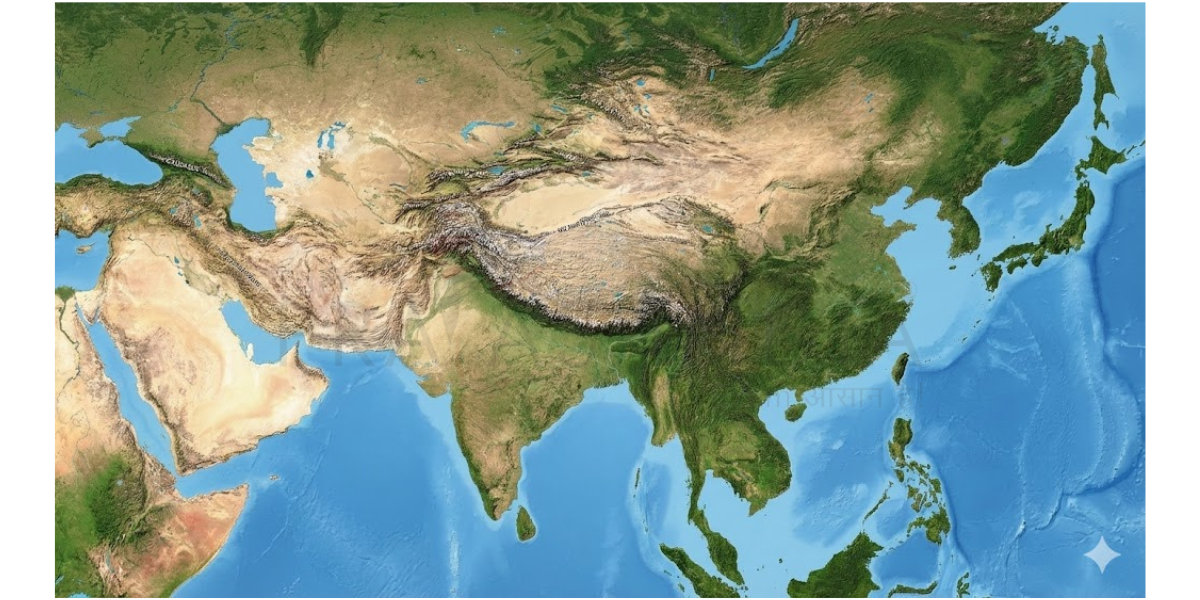
Asia hosts the world’s tallest and youngest fold mountain systems, formed by the collision of the Indian Plate with the Eurasian Plate.
1. Himalayas
- Formation: Continental–continental collision
- Extent: 2,400 km from Nanga Parbat to Namcha Barwa
- Highest Peak: Mount Everest (8,848 m)
- Role: Barrier to monsoon; source of Ganga, Brahmaputra, Indus; biodiversity hotspot
2. Karakoram
- Contains K2, one of the hardest ascents
- Home to world’s largest glaciers outside the poles (Siachen, Biafo)
3. Other Asian Ranges
- Hindu Kush – Afghanistan
- Kunlun & Tianshan – Central Asia
- Altai Mountains – Russia–Mongolia–China
- Zagros – Iran
- Caucasus – Between Europe and Asia
- Ural Mountains – Traditional Europe–Asia boundary
B. Europe
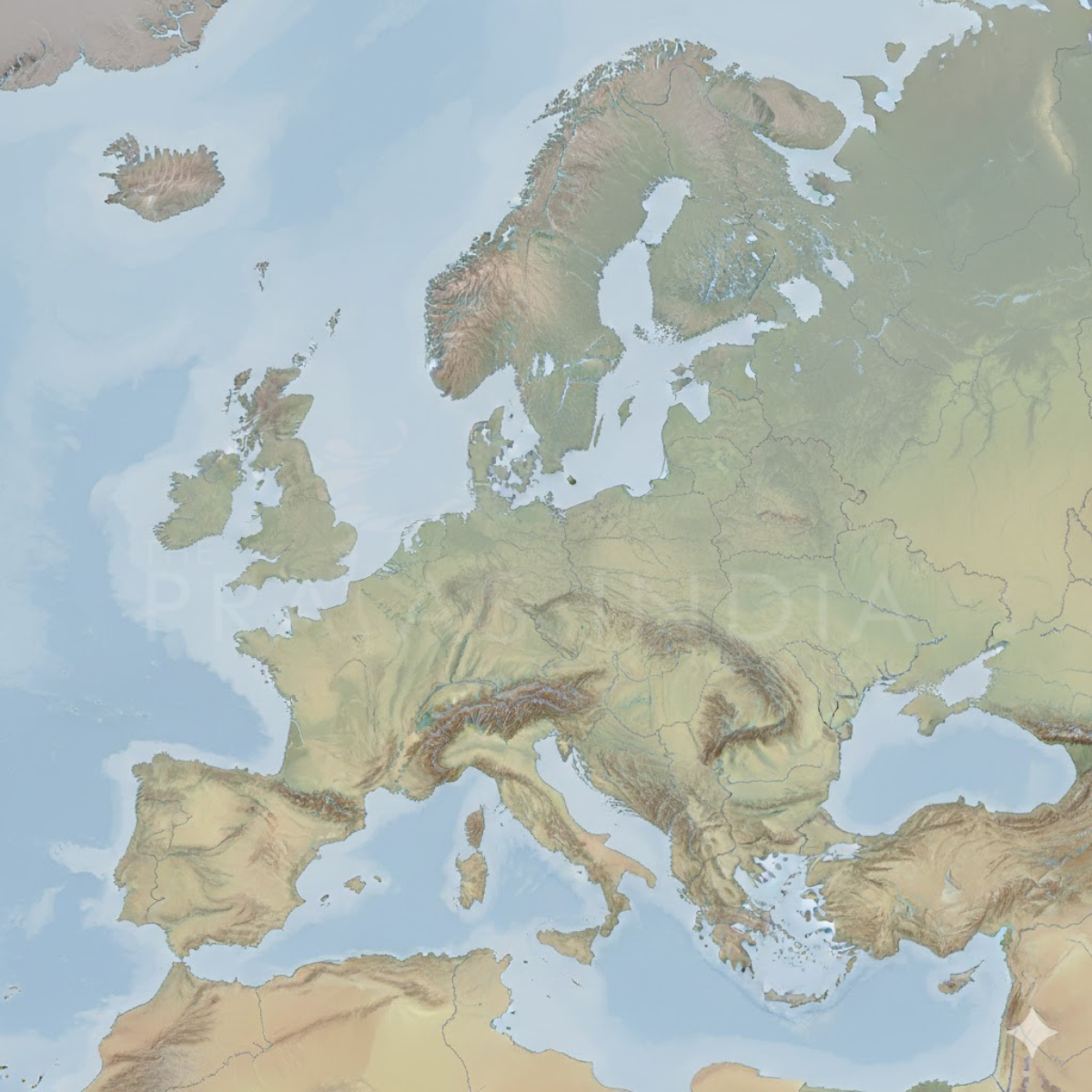
1. Alps
- Formed by collision of African & Eurasian plates
- Influences European weather patterns
- Alps glaciers feed major rivers like Rhine & Rhône
2. Pyrenees
- Between Spain & France
- Acts as cultural barrier
3. Carpathians
- Stretch through Central & Eastern Europe (Romania, Slovakia)
- High biodiversity
4. Scandinavian Mountains
- Among the oldest in Europe
- Shaped by glaciation
C. North America
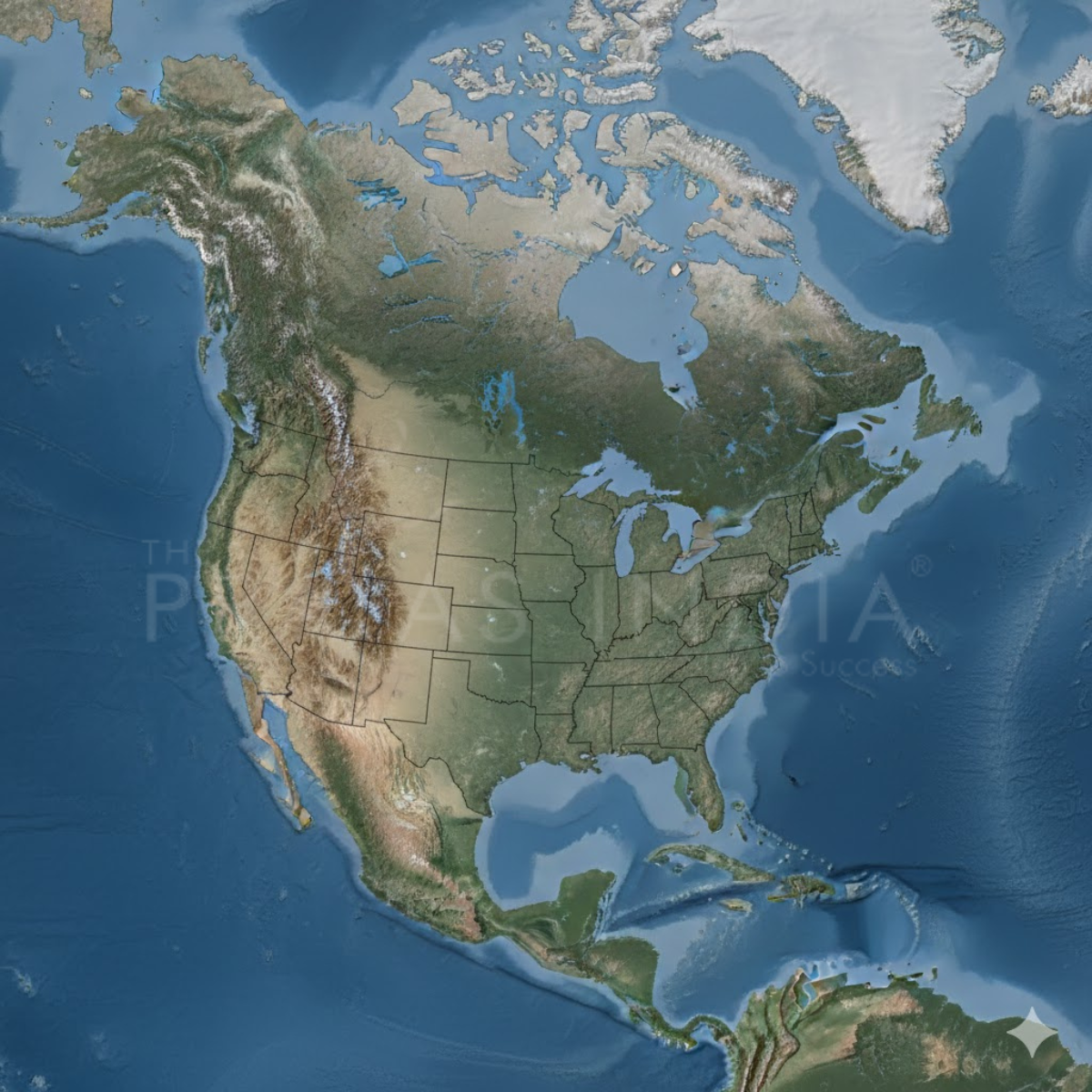
1. Rocky Mountains
- Young fold mountains
- Extend from Canada to the USA
- Major role in western U.S. climate patterns
2. Appalachians
- Very old, heavily eroded
- Rich in minerals
3. Sierra Nevada
- Includes Mt. Whitney
- Volcanic & fault-block origins
4. Cascade Range
- Active volcanic arc (Mount St. Helens, Mount Rainier)
D. South America
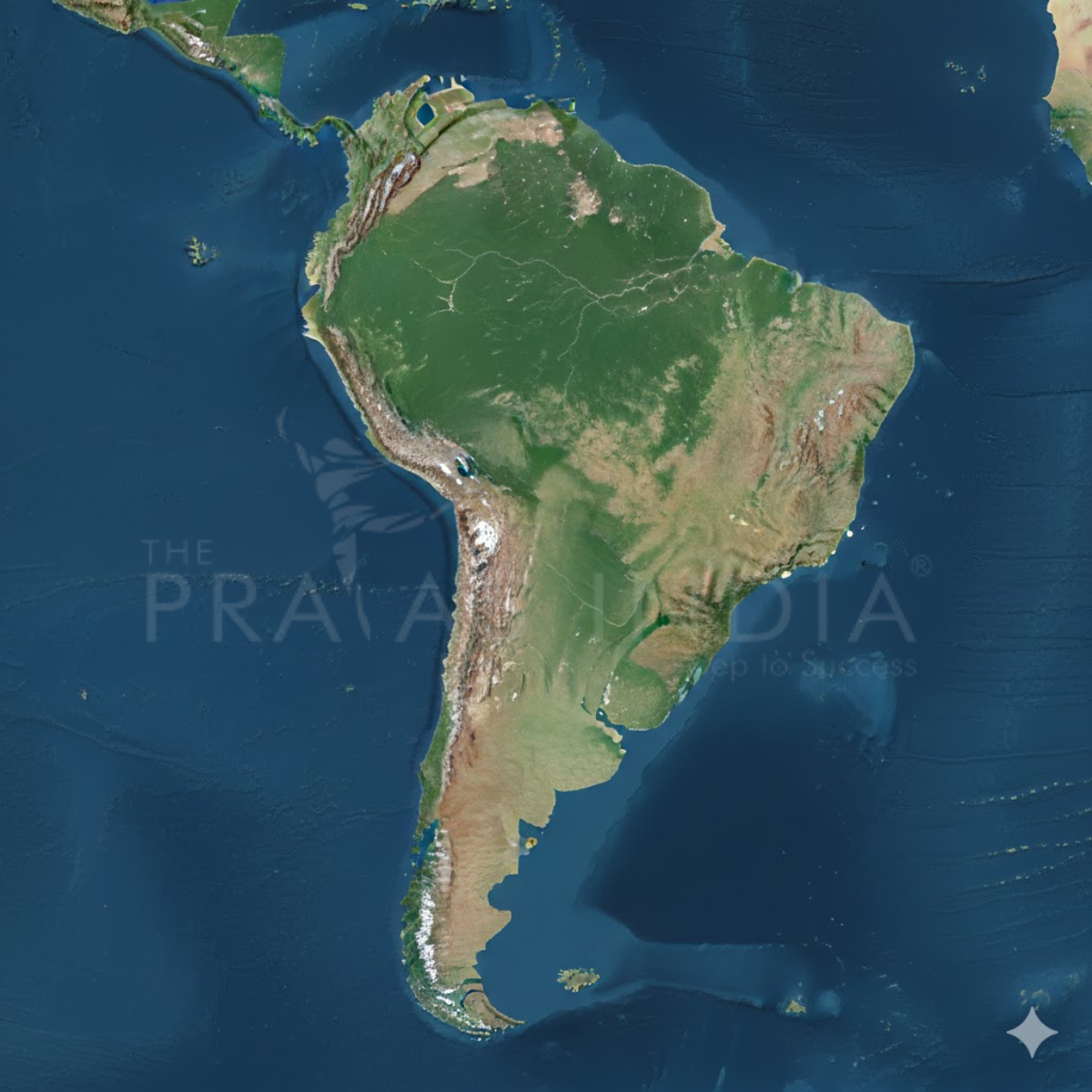
1. Andes
- Longest continental mountain range
- Ocean–continental collision zone
- Home to volcanoes, deserts, glaciers
- Influences Amazon Basin climate
2. Patagonian Mountains
-
Known for cold deserts & glacial landscapes
E. Africa
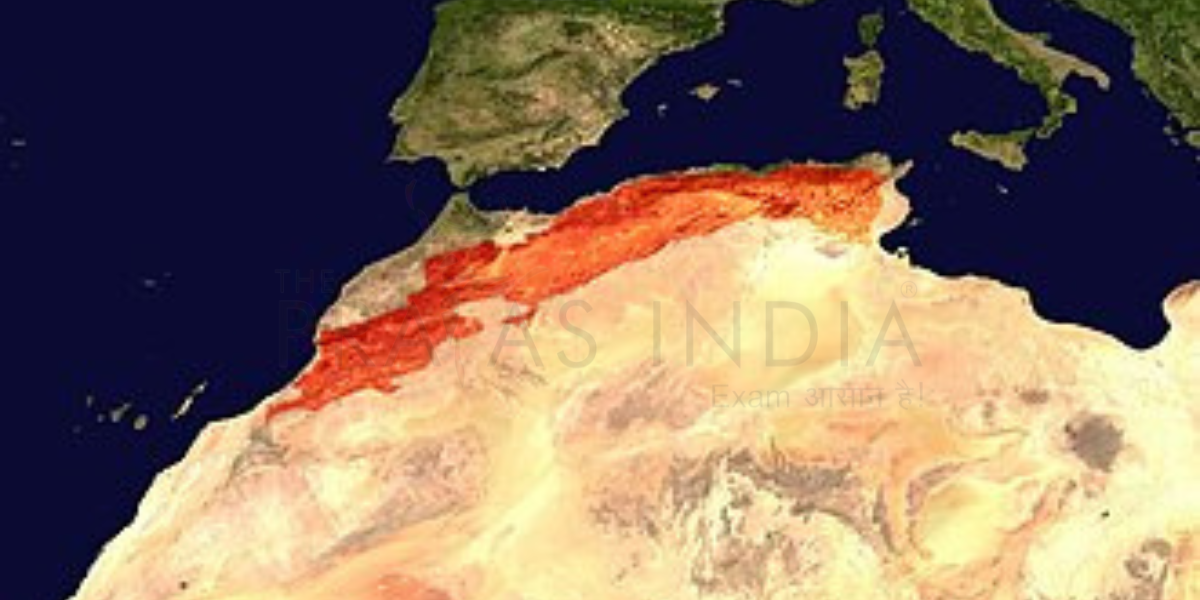
1. Atlas Mountains – Morocco to Tunisia
2. Ethiopian Highlands – Cradle of human evolution
3. Drakensberg – South Africa
4. Rwenzori Mountains – “Mountains of the Moon,” permanent snow
F. Australia & Oceania
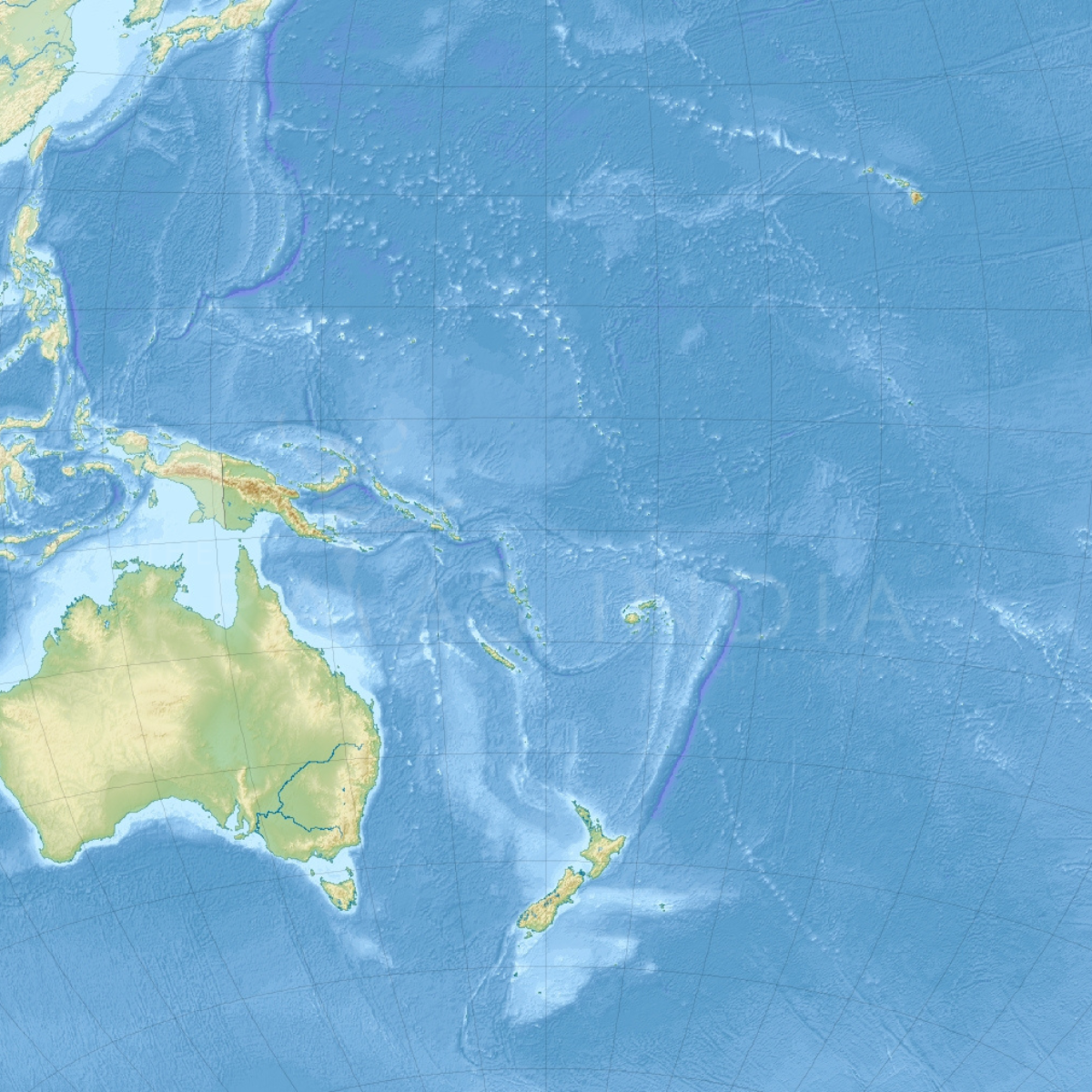
1. Great Dividing Range (Australia)
- Old, eroded highlands
- Controls rainfall distribution
2. Southern Alps (New Zealand)
- Part of Pacific Ring of Fire
- Rapid uplift
3. Pacific Volcanic Islands
- Hawaii, Fiji, Samoa
- Hotspot & subduction-based volcanism
Tectonic Background of Mountain Formation
1. Continental–Continental Collision
Example: Himalayas
Creates high mountain ranges with large thickness of folded sedimentary rocks.
2. Ocean–Continental Collision
Example: Andes
Subduction generates volcanic arcs.
3. Block Faulting
Example: Sierra Nevada, Rhine Graben
4. Hotspot Volcanism
Example: Hawaii
Climate Influence of Mountain Ranges
Mountains shape regional & global climates through:
1. Orographic Rainfall
Windward side receives heavy rain.
2. Rain Shadow Effect
Leeward side becomes dry (e.g., Ladakh, Patagonian desert).
3. Monsoon Dynamics
Himalayas prevent cold Siberian winds from entering India and force monsoon winds upward.
4. River Systems
Mountains feed major rivers through glacial melt.
| Climate Impact | Example |
|---|---|
| Orographic Rainfall | Western Ghats |
| Rain Shadow | Rockies forming Great Plains dryness |
| Monsoon Barrier | Himalayas |
| Glacial Meltwater | Alps feeding Rhine |
Ecological & Biodiversity Significance
- Rich alpine flora & fauna
- Many endemic species (snow leopard, Andean condor)
- Globally significant biodiversity hotspots:
- Himalayas
- Andes
- Eastern Arc Mountains
Rivers originating from mountains support a majority of the global population.
Human Geography & Economic Importance
- Ancient settlements (Andes, Alps)
- Tourism hubs (Swiss Alps, Rockies, Himalayas)
- Hydropower potential
- Mineral wealth (Appalachians, Andes)
- Cultural diversity (tribes, nomadic groups)
Challenges include landslides, earthquakes, isolation, and limited connectivity.
Threats to Mountain Ecosystems
- Climate change
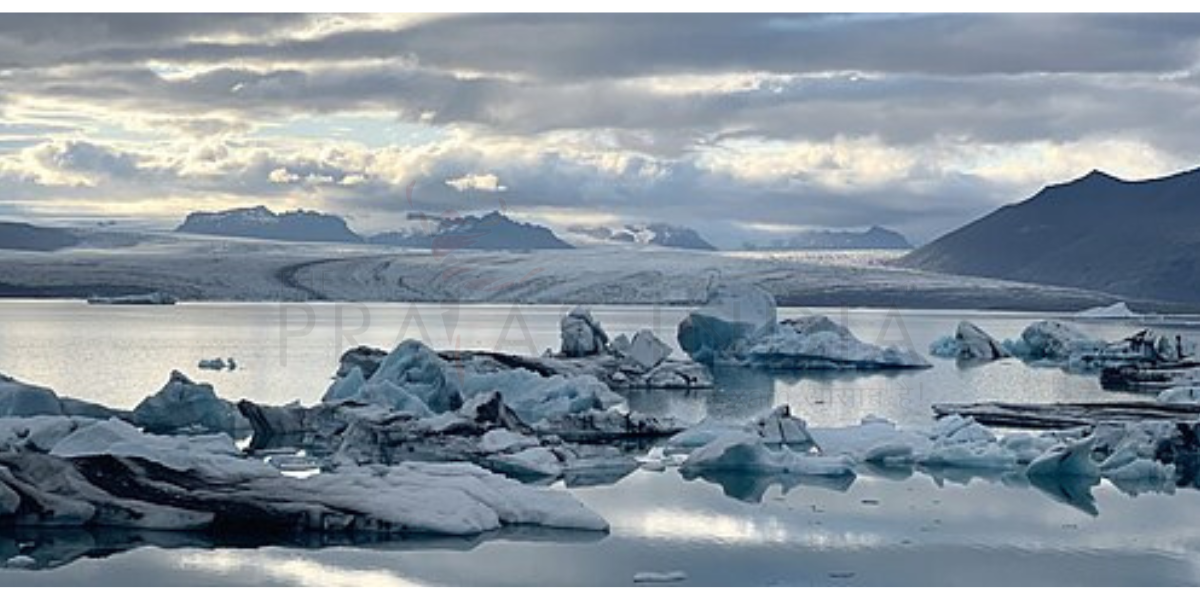
- Glacial retreat
- Over-tourism
- Deforestation
- Mining
- Biodiversity loss
Case Studies
1. Himalayan GLOFs
Melting glaciers form unstable lakes → sudden floods.
2. Alps: Decline in Snow Cover
Affecting skiing tourism and local economy.
3. Andes: Melting Tropical Glaciers
Threatens freshwater security.
4. Rockies: Wildfire–Snowpack Link
Low snowpack increases wildfire vulnerability.
UPSC Previous Year Questions – Sample
GS Paper 1
- Explain the formation of fold mountains using suitable examples.
- Discuss the role of the Himalayas in India’s climate.
Prelims
- Map-based questions on Alps, Rockies, Andes, Urals.
- Matching ranges with continents.
Geography Optional
- Plate tectonics and orogenesis
- Alpine vs. Hercynian vs. Caledonian mountains
FAQs on Mountain Ranges in the World
1. What are mountain ranges and how are they formed?
Mountain ranges are long chains of mountains formed through tectonic forces such as continental collision, subduction, rifting, volcanic activity, and prolonged erosion. Most of the world’s major ranges—Himalayas, Andes, Alps—are the result of convergent plate boundaries.
2. Which is the longest mountain range in the world?
The Andes in South America are the longest continental mountain range, stretching about 7,000 km along the western coastline.
3. Which is the highest mountain range?
The Himalayas are the highest mountain range in the world, home to Mount Everest (8,848 m).
4. What are the major types of mountains?
The main types are Fold Mountains, Block Mountains, Volcanic Mountains, and Residual Mountains, each formed by different geological processes.
5. How do mountains influence climate?
Mountains cause orographic rainfall, create rain shadow regions, regulate monsoon winds, store glaciers, and influence regional wind patterns and temperature.
6. Why are mountain regions biodiversity hotspots?
Mountains contain varied altitude zones, microclimates, and isolated habitats that lead to high endemism, alpine ecosystems, and unique species diversity.
7. What are some of the major mountain ranges in Asia?
The Himalayas, Karakoram, Hindu Kush, Kunlun, Tianshan, Altai, Zagros, and Caucasus.
8. What are the major threats to mountain ecosystems?
Climate change, glacial retreat, deforestation, unsustainable tourism, mining, infrastructure projects, and frequent earthquakes in tectonically active areas.
9. Which mountain ranges are among the oldest on Earth?
The Aravallis and Appalachians are some of the oldest, heavily eroded residual mountain systems.
10. Why are mountains important for human civilisation?
Mountains supply freshwater, shape climate, support agriculture, provide minerals, host cultural diversity, and contribute to tourism and hydropower.
Conclusion
Mountain ranges are essential components of the Earth’s physical and ecological systems. They regulate climate, support rivers and biodiversity, and host diverse human cultures. However, climate change and human pressures threaten their fragile ecosystems. Global initiatives like UN Mountain Partnership highlight the need for sustainable mountain development.
Preserving mountains is crucial for climate stability, water security, and the well-being of future generations.