From UPSC Beginner to IAS Officer: Your Complete Civil Services Success Roadmap | Best IAS Coaching in Mumbai | The Prayas India
A Step-by-Step Guide to Building a Successful UPSC Preparation Journey
Every year, lakhs of aspirants begin preparing for the Civil Services Examination with one dream—to become an IAS, IPS, IFS, or another esteemed civil servant. The journey is inspiring, but it is also one of the most challenging competitive examination processes in India.
Many candidates start with great enthusiasm. They buy numerous books, watch multiple online lectures, follow several toppers, and make ambitious study schedules. However, after a few months, confusion sets in. The vast syllabus, endless resources, current affairs, and uncertainty about the right strategy often leave aspirants overwhelmed.
The reality is that UPSC success is rarely the result of random preparation. It is achieved through a structured roadmap, disciplined execution, regular revision, answer-writing practice, mock tests, and continuous improvement.
Whether you are starting from scratch or looking to streamline your existing preparation, this roadmap will help you understand every stage of the Civil Services journey and prepare with confidence.
Why UPSC Preparation Needs a Long-Term Roadmap
Unlike many competitive examinations, UPSC tests not only knowledge but also analytical ability, decision-making, writing skills, awareness of current events, and personality.
Preparing without a roadmap often leads to:
- Collecting too many study materials
- Frequent changes in strategy
- Incomplete syllabus coverage
- Weak answer-writing skills
- Poor revision habits
- Inconsistent preparation
- Low confidence before the examination
A structured roadmap keeps your preparation organized and ensures that every study session contributes to your long-term goal.
Understanding the Civil Services Examination
Before starting your preparation, understand the complete examination process.
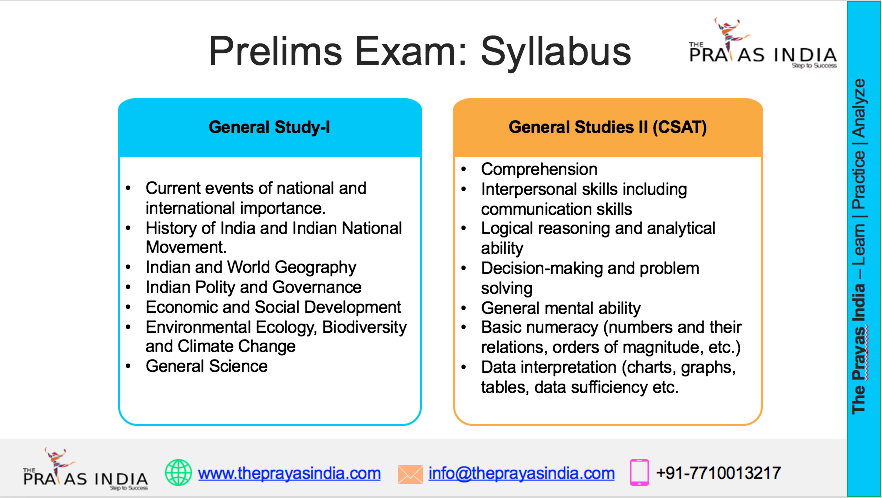
The UPSC Civil Services Examination consists of three stages:
Stage 1: Preliminary Examination
The Preliminary Examination is the screening stage.
It includes:
- General Studies Paper I
- CSAT (General Studies Paper II)
Success in Prelims requires conceptual clarity, current affairs awareness, and strong objective question-solving skills.
Stage 2: Main Examination
Candidates who qualify Prelims appear for the Mains Examination.
Mains evaluates:
- General Studies Papers
- Essay
- Optional Subject
- Language Papers
This stage demands analytical thinking, structured writing, and deep conceptual understanding.
Stage 3: Personality Test (Interview)
The final stage assesses much more than factual knowledge.
The interview panel evaluates:
- Communication skills
- Decision-making ability
- Leadership qualities
- Confidence
- Ethical thinking
- Administrative aptitude
- Overall personality
Preparing for the interview begins much earlier than the interview itself.
Common Mistakes Beginners Make
Many first-time aspirants unknowingly make preparation mistakes that slow their progress.
Some common mistakes include:
- Starting without understanding the syllabus
- Ignoring previous year question papers
- Buying too many books
- Depending entirely on online content
- Skipping revision
- Delaying answer-writing practice
- Ignoring current affairs
- Preparing without mock tests
- Frequently changing study plans
Avoiding these mistakes helps create a stronger foundation.
Phase 1: Build Strong Fundamentals
Every successful UPSC journey begins with building conceptual clarity.
During the initial months, focus on understanding the basics instead of rushing through advanced topics.
Begin by:
- Reading the complete UPSC syllabus
- Understanding the examination pattern
- Reviewing previous year questions
- Creating a realistic study timetable
- Organizing reliable study resources
A strong foundation makes every later stage of preparation easier.
Phase 2: Start with NCERT Books
NCERT books provide the conceptual base for UPSC preparation.
Subjects that deserve careful attention include:
- History
- Geography
- Polity
- Economics
- Environment
- Science
- Sociology
Rather than memorizing facts, aim to understand concepts and connect them with current events.
Phase 3: Move to Standard Reference Books
Once the basics are clear, gradually transition to standard reference books for each subject.
At this stage, avoid collecting excessive study material.
Instead, revise the same reliable resources multiple times to improve retention.
Depth of understanding is more valuable than the number of books completed.
Phase 4: Develop a Current Affairs Routine
Current affairs form an essential part of both Prelims and Mains preparation.
Build a daily habit of following important developments related to:
- Governance
- Economy
- International Relations
- Science & Technology
- Environment
- Social Issues
- Government Schemes
- Reports and Indices
Maintain concise notes that can be revised regularly.
Consistency matters more than spending excessive hours each day.
Phase 5: Master General Studies
General Studies forms the backbone of UPSC preparation.
A balanced preparation strategy should cover:
Indian Polity
Understand constitutional principles, governance, Parliament, Judiciary, federalism, and important institutions.
History
Focus on Ancient, Medieval, Modern Indian History, and significant national movements.
Geography
Study both Physical and Human Geography while connecting geographical concepts to current events.
Economy
Develop conceptual clarity regarding economic growth, inflation, banking, taxation, budgeting, and government policies.
Environment
Prepare biodiversity, conservation, climate change, environmental laws, and sustainable development.
Science & Technology
Understand emerging technologies, space missions, biotechnology, artificial intelligence, cybersecurity, and innovation.
Ethics
Develop an understanding of integrity, accountability, emotional intelligence, public service values, and ethical governance.
Phase 6: Choose the Right Optional Subject
The optional subject contributes significantly to the final merit ranking.
While selecting an optional, consider:
- Personal interest
- Academic background
- Availability of study material
- Guidance and mentorship
- Previous performance in the subject
Choose a subject you can study consistently for several months.
Phase 7: Begin Answer Writing Early
Many aspirants postpone answer writing until after completing the syllabus.
This often becomes a major disadvantage.
Answer writing should gradually become part of your weekly preparation.
Practice helps improve:
- Structure
- Clarity
- Presentation
- Time management
- Analytical thinking
With regular writing, expressing complex ideas becomes much easier.
Phase 8: Integrate Mock Tests into Preparation
Mock tests are essential for identifying strengths and weaknesses.
Start with topic-wise tests before moving to full-length examinations.
Mock tests help you:
- Improve accuracy
- Strengthen time management
- Develop examination temperament
- Identify weak subjects
- Track preparation progress
Remember, the objective is not only to score well but also to learn from every test.
Phase 9: Make Revision a Continuous Process
Many aspirants complete the syllabus but struggle to retain information.
Revision should not be reserved for the final weeks.
Instead:
- Revise weekly.
- Revise monthly.
- Maintain concise notes.
- Update current affairs regularly.
- Revisit difficult topics frequently.
Consistent revision improves long-term retention and reduces examination stress.
Creating a Practical Daily Study Plan
Your daily schedule should balance learning, revision, and practice.
A productive day may include:
- Reading General Studies
- Current Affairs preparation
- Optional subject study
- Answer-writing practice
- MCQ practice for Prelims
- Revision of previous topics
Consistency is more valuable than studying excessively on a few days.
Weekly Preparation Goals
At the end of every week, review your progress.
Your weekly checklist should include:
✔ Completion of planned topics
✔ Current Affairs revision
✔ One or two answer-writing sessions
✔ One mock or sectional test
✔ Revision of earlier subjects
✔ Identification of weak areas
This habit keeps your preparation organized and measurable.
Monthly Performance Review
Every month, evaluate your preparation honestly.
Ask yourself:
- Have I completed my planned syllabus?
- Are my mock scores improving?
- Is my answer-writing becoming more structured?
- Am I revising regularly?
- Which subjects need more attention?
Small monthly improvements create significant long-term results.
Staying Motivated Throughout the Journey
UPSC preparation is a marathon rather than a sprint.
There will be periods of slow progress, difficult subjects, and disappointing mock scores.
The key is to remain consistent.
Focus on:
- Daily improvement
- Regular revision
- Learning from mistakes
- Maintaining discipline
- Following your preparation plan
Every chapter completed, every answer written, and every mock analyzed takes you one step closer to your Civil Services dream.
Remember, the journey from UPSC beginner to IAS officer is built through consistent effort over time—not overnight success. With the right roadmap, disciplined preparation, and a willingness to improve continuously, you can prepare with confidence for one of India’s most prestigious examinations.
How The Prayas India Supports You at Every Stage of Your UPSC Journey
Preparing for the Civil Services Examination requires much more than reading books and completing the syllabus. Success depends on conceptual clarity, answer-writing skills, current affairs understanding, regular revision, mock test practice, and continuous mentorship.
At The Prayas India, we guide aspirants through every stage of the UPSC journey—from understanding the basics to preparing confidently for the Personality Test. Our structured coaching programs are designed to help students stay focused, organized, and consistent throughout their preparation.
Whether you are a beginner or a repeat aspirant, our learning system is built to help you prepare strategically for every phase of the Civil Services Examination.
A Structured UPSC Preparation Program
Many aspirants lose valuable time deciding what to study, which books to follow, and how to manage the vast syllabus.
At The Prayas India, students follow a carefully planned roadmap that ensures systematic syllabus coverage while providing sufficient time for revision and practice.
Our UPSC coaching program includes:
- Foundation classes for beginners
- Comprehensive General Studies coverage
- Current Affairs sessions
- Optional subject guidance
- Daily practice questions
- Weekly assessments
- Answer-writing practice
- Prelims and Mains mock tests
- Revision programs
- Interview guidance
This structured approach helps students prepare with clarity and confidence instead of relying on random preparation.
Learn from Experienced UPSC Faculty
Expert guidance can make a significant difference during Civil Services preparation.
Our experienced faculty members simplify complex topics and help students understand concepts rather than memorize facts.
Students receive expert support across all major UPSC subjects.
Indian Polity
Develop conceptual understanding of:
- Constitution
- Fundamental Rights
- Parliament
- Judiciary
- Executive
- Federalism
- Constitutional Bodies
- Governance
History
Build a strong foundation in:
- Ancient India
- Medieval India
- Modern India
- Freedom Movement
- Post-Independence Developments
- World History
Geography
Strengthen concepts in:
- Physical Geography
- Indian Geography
- Human Geography
- Environment
- Mapping Practice
Economy
Understand:
- Economic Development
- Inflation
- Banking
- Fiscal Policy
- Monetary Policy
- Budget
- Government Schemes
Environment & Ecology
Prepare topics including:
- Biodiversity
- Climate Change
- Conservation
- International Environmental Agreements
- Sustainable Development
Science & Technology
Stay updated with:
- Space Missions
- Biotechnology
- Artificial Intelligence
- Cyber Security
- Emerging Technologies
Personalized Mentorship Throughout the Journey
Every UPSC aspirant has a unique preparation journey.
Some students need help with answer writing, while others struggle with current affairs, optional subjects, or time management.
Our mentors provide:
- Individual preparation reviews
- Personalized study plans
- Doubt-clearing sessions
- Weekly progress monitoring
- Strategy improvement sessions
- Continuous motivation and accountability
This personalized guidance helps students prepare according to their strengths and areas that need improvement.
Answer Writing Guidance
Strong answer-writing skills are essential for performing well in the UPSC Mains Examination.
Students receive regular practice in:
- GS answer writing
- Essay writing
- Structuring answers
- Introduction and conclusion techniques
- Diagram and flowchart usage where appropriate
- Time-bound writing practice
Detailed faculty feedback helps students improve both content quality and presentation.
Comprehensive Study Material
Instead of collecting multiple resources, students receive carefully prepared study material aligned with the latest UPSC syllabus.
Resources include:
- Subject-wise notes
- Current Affairs booklets
- Monthly compilations
- Revision handbooks
- Practice question sets
- Previous year question analysis
- Essay guidance material
This reduces confusion and allows students to focus on effective preparation.
Regular Mock Tests and Performance Analysis
Mock tests are integrated into every stage of preparation.
Students participate in:
- Topic-wise tests
- Sectional assessments
- Full-length Prelims mock tests
- Mains answer-writing tests
- Essay evaluations
Each assessment is followed by detailed feedback covering:
- Accuracy
- Time management
- Conceptual gaps
- Answer presentation
- Revision priorities
- Individual improvement strategy
This continuous evaluation helps students make steady progress throughout their preparation.
Dedicated Current Affairs Program
Current Affairs cannot be prepared effectively at the last moment.
Our program includes:
- Daily Current Affairs discussions
- Monthly Current Affairs compilations
- Editorial analysis
- Government schemes
- Reports and indices
- International developments
- UPSC-oriented issue analysis
Students learn how to connect current events with static topics for both Prelims and Mains.
Interview Preparation
Preparation does not stop after clearing the Mains Examination.
Students qualifying for the Personality Test receive guidance through:
- Mock interviews
- Personality development sessions
- Communication improvement
- DAF-based discussions
- Current Affairs discussions
- Confidence-building exercises
This ensures students approach the final stage with greater confidence and clarity.
Benefits of Joining UPSC Coaching
Professional coaching helps aspirants prepare in a systematic and result-oriented manner.
Organized Preparation
Follow a structured roadmap that minimizes confusion and maximizes productivity.
Expert Faculty
Learn from experienced mentors who understand UPSC trends and examination requirements.
Continuous Evaluation
Monitor progress through regular assessments, answer-writing practice, and mock tests.
Better Time Management
Learn how to balance General Studies, Optional Subjects, Current Affairs, and revision effectively.
Improved Writing Skills
Develop the structured analytical writing required for the Mains Examination.
Stronger Confidence
Regular mentorship and performance improvement help students approach every stage of the examination with confidence.
Why Students Prefer The Prayas India
Thousands of Civil Services aspirants trust The Prayas India because of its structured learning methodology and student-focused preparation model.
Students choose us because of:
Comprehensive UPSC Preparation
Complete guidance for Prelims, Mains, and Interview under one structured program.
Experienced Faculty
Learn from mentors with deep understanding of UPSC trends and examination patterns.
Concept-Based Learning
Develop strong fundamentals before progressing to advanced preparation.
Extensive Test Series
Regular assessments help improve speed, writing quality, analytical ability, and confidence.
Personalized Mentorship
Receive guidance tailored to your preparation stage and learning requirements.
Updated Study Material
Access carefully curated resources aligned with the latest UPSC syllabus.
Result-Oriented Preparation
Every component of our program is designed to help students prepare consistently and improve steadily.
If you are looking for the Best IAS Coaching in Mumbai, The Prayas India provides a structured ecosystem that supports aspirants from the first day of preparation until the final interview.
Who Should Join UPSC Coaching?
Our Civil Services coaching program is suitable for:
- Beginners starting UPSC preparation
- College students planning an IAS career
- Graduates preparing full-time
- Working professionals balancing jobs with preparation
- Repeat aspirants seeking better ranks
Regardless of your current preparation level, expert guidance can help you prepare more efficiently.
Final Thoughts
The journey from a UPSC beginner to an IAS officer is challenging, but it becomes much more manageable when supported by the right strategy and guidance.
Every chapter you study, every answer you write, every mock test you analyze, and every improvement you make contributes to your final goal.
Rather than preparing without direction, follow a structured roadmap that combines disciplined self-study with expert mentorship.
At The Prayas India, we are committed to helping every aspirant prepare with confidence, overcome challenges, and maximize their chances of success in the Civil Services Examination.
Admissions Open – UPSC Coaching at The Prayas India
Prepare for the Civil Services Examination with expert faculty, structured classroom programs, comprehensive study material, regular mock tests, answer-writing practice, current affairs guidance, and interview preparation.
📞 Call Now: +91-77100 13217
Andheri | Borivali | Dadar | Nerul
Take the first step toward your IAS dream with The Prayas India.
Frequently Asked Questions (FAQs)
1. Is this roadmap suitable for beginners?
Yes. It is designed specifically to help beginners build strong fundamentals before progressing to advanced UPSC preparation.
2. Does The Prayas India provide coaching for all UPSC stages?
Yes. Our coaching covers Prelims, Mains, and Interview preparation.
3. How important is answer writing for UPSC?
Answer writing is crucial for the Mains Examination as it develops analytical thinking, presentation skills, and time management.
4. Are mock tests necessary for UPSC preparation?
Yes. Mock tests help evaluate preparation, improve accuracy, and identify weak areas requiring additional attention.
5. Does The Prayas India provide current affairs support?
Yes. Students receive daily discussions, monthly compilations, editorial analysis, and issue-based Current Affairs preparation.
6. Is coaching useful for working professionals?
Yes. A structured preparation plan and expert mentorship help working professionals balance preparation with their careers.
7. Does The Prayas India provide interview guidance?
Yes. Students receive mock interviews, DAF guidance, personality development sessions, and communication training.
8. How can I join UPSC Coaching at The Prayas India?
You can contact The Prayas India to learn about admissions, upcoming batches, counselling sessions, and course details.