How to Start UPSC Preparation in Dadar: A Beginner’s Guide
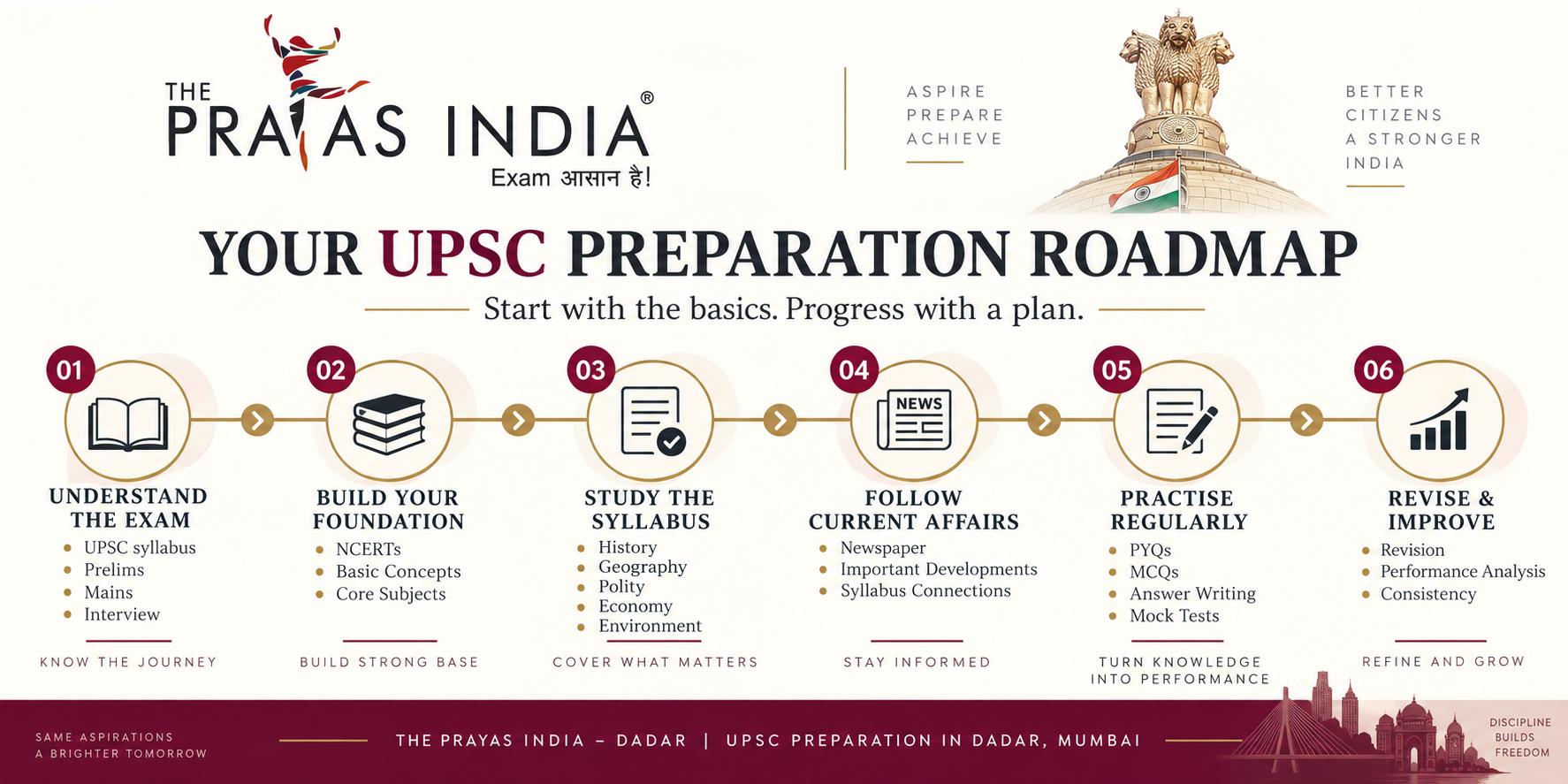
Preparing for the Union Public Service Commission (UPSC) Civil Services Examination can seem overwhelming when you are starting from scratch. Many beginners are unsure which books to read, how to understand the syllabus, when to start current affairs, how much time to study or whether they should join coaching classes.
For students and graduates in Dadar, Mumbai, beginning UPSC preparation involves more than selecting an institute or purchasing study material. It requires understanding the examination, developing a realistic study routine, building subject knowledge and gradually improving analytical and answer-writing skills.
The UPSC Civil Services Examination is conducted to recruit candidates for various civil services and other eligible posts through a multi-stage selection process. The preparation journey generally involves the Preliminary Examination, Main Examination and Personality Test, subject to the official scheme for the examination year.
If you are a beginner planning to start UPSC preparation in Dadar, this guide explains how to approach the examination step by step, what to study initially, how to organise your daily schedule and how to evaluate coaching options without feeling overwhelmed.
Understanding the UPSC Civil Services Examination Before You Start
The examination is not simply a test of memorising facts. It assesses candidates through different stages involving general knowledge, analytical understanding, comprehension, writing ability, judgement and suitability for public service.
The examination broadly comprises three stages.
1. UPSC Preliminary Examination
The Preliminary Examination is the screening stage of the Civil Services Examination.
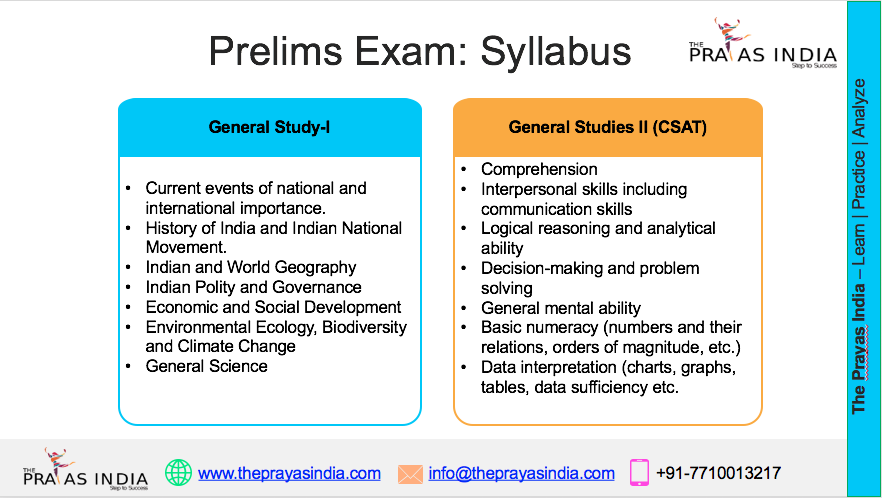
It generally consists of two objective-type papers:
- General Studies Paper I: Covers subjects such as History, Geography, Polity, Economy, Environment, Science and Technology and Current Affairs.
- General Studies Paper II (CSAT): Tests aptitude, comprehension, logical reasoning, analytical ability and other prescribed skills.
CSAT is qualifying in nature under the applicable examination scheme. Candidates must meet the prescribed qualifying criteria.
Beginners should not treat Prelims preparation as merely memorising information. Understanding concepts, practising previous-year questions and developing elimination techniques are equally important.
2. UPSC Main Examination
The Main Examination is descriptive and requires candidates to demonstrate their knowledge, analytical ability and writing skills.
The written examination generally includes:
- Essay.
- General Studies Paper I.
- General Studies Paper II.
- General Studies Paper III.
- General Studies Paper IV.
- Optional subject papers.
- Qualifying language papers, as prescribed.
The General Studies papers cover subjects such as Indian society, history, governance, Constitution, international relations, economy, technology, environment, ethics and other syllabus-specific areas.
Unlike Prelims, Mains requires candidates to organise their knowledge into well-structured answers. Therefore, answer-writing practice should gradually become part of the preparation routine.
3. UPSC Personality Test
Candidates who qualify the written Main Examination are called for the Personality Test, subject to the applicable process.
The Personality Test assesses qualities relevant to a candidate’s suitability for public service, including judgement, communication, awareness, analytical thinking and overall personality.
Preparation for this stage involves developing an informed understanding of issues, being able to articulate opinions thoughtfully and maintaining awareness of one’s educational background, interests and other relevant details.
Step 1: Read the UPSC Syllabus and Previous-Year Question Papers
One of the most common mistakes beginners make is starting to study multiple subjects without understanding the examination requirements. They often purchase several books, follow different online resources and spend time collecting notes without having a clear direction.
The UPSC syllabus should be your primary reference throughout the preparation journey.
How to Study the UPSC Syllabus
Begin by downloading the official syllabus for your target examination year.
Read the Prelims and Mains syllabi carefully and identify the major subjects. Instead of trying to memorise every heading immediately, understand the overall structure of the examination.
You can initially divide the syllabus into the following broad categories:
| Subject | Important areas to understand |
|---|---|
| History | Ancient, Medieval and Modern Indian History, culture and the freedom movement |
| Geography | Physical Geography, Indian Geography, resources, climate and human geography |
| Indian Polity | Constitution, Parliament, judiciary, governance and constitutional institutions |
| Economy | Economic development, banking, inflation, budget, employment and related concepts |
| Environment | Ecology, biodiversity, environmental issues and conservation |
| Science and Technology | Scientific developments, technology and their applications |
| Current Affairs | Important national, international, economic and social developments |
| Ethics | Values, integrity, aptitude, case studies and ethical decision-making |
| Essay | Analytical writing, arguments, examples and structured expression |
| Optional Subject | Subject-specific knowledge and preparation for the two optional papers |
Why Previous-Year Questions Matter
Previous-year question papers help beginners understand the nature and depth of the examination.
Rather than immediately attempting every question, initially analyse the questions to identify:
- The type of topics UPSC asks.
- The level of conceptual understanding required.
- How static subjects connect with current affairs.
- The difference between factual and analytical questions.
- The importance of syllabus-based preparation.
For example, while studying Indian Polity, you may encounter questions involving constitutional provisions, governance, institutions and their practical functioning. Understanding the topic is more useful than memorising isolated facts without context.
You can download official previous-year question papers through the UPSC website’s examination and previous-question-paper sections.
Step 2: Build Your Foundation with NCERT Books
For beginners, NCERT textbooks can be useful for developing foundational understanding of subjects covered in the UPSC syllabus.
If you have not studied subjects such as History, Geography, Political Science or Economics in depth, school-level textbooks can help you understand basic terminology, concepts and background information.
You do not necessarily need to read every NCERT textbook from Class 6 to Class 12. Your reading plan should be guided by the syllabus, your current knowledge and the subjects requiring foundational support.
Suggested NCERT Reading Approach for UPSC Beginners
| Subject | Initial reading focus |
|---|---|
| History | Relevant history textbooks and chapters covering Indian history and the freedom movement |
| Geography | Physical geography, Indian geography, climate, resources and geographical concepts |
| Political Science | Constitution, democracy, governance, political institutions and rights |
| Economics | Basic economic concepts, development, markets and the Indian economy |
| Science | Relevant fundamental concepts and selected syllabus-related topics |
| Sociology and Society | Relevant social science chapters for understanding society and social issues |
How to Read NCERTs Effectively
Instead of reading textbooks repeatedly without a plan, follow a simple method:
- Read one chapter to understand its central concepts.
- Identify the important ideas relevant to the UPSC syllabus.
- Highlight only essential information.
- Write a short summary in your own words.
- Attempt relevant previous-year questions.
- Revise the chapter after a few days.
Beginners should avoid making excessively detailed notes during their first reading. Understanding the subject should come before attempting to create comprehensive notes.
Step 3: Create a Realistic UPSC Study Plan
After understanding the examination and beginning your foundational reading, the next step is creating a study plan.
A study plan helps you organise subjects, allocate time for revision and maintain consistency. Beginners should avoid copying extremely intensive timetables designed for candidates who have already completed the syllabus.
Your schedule should depend on whether you are studying full-time, attending college or working.
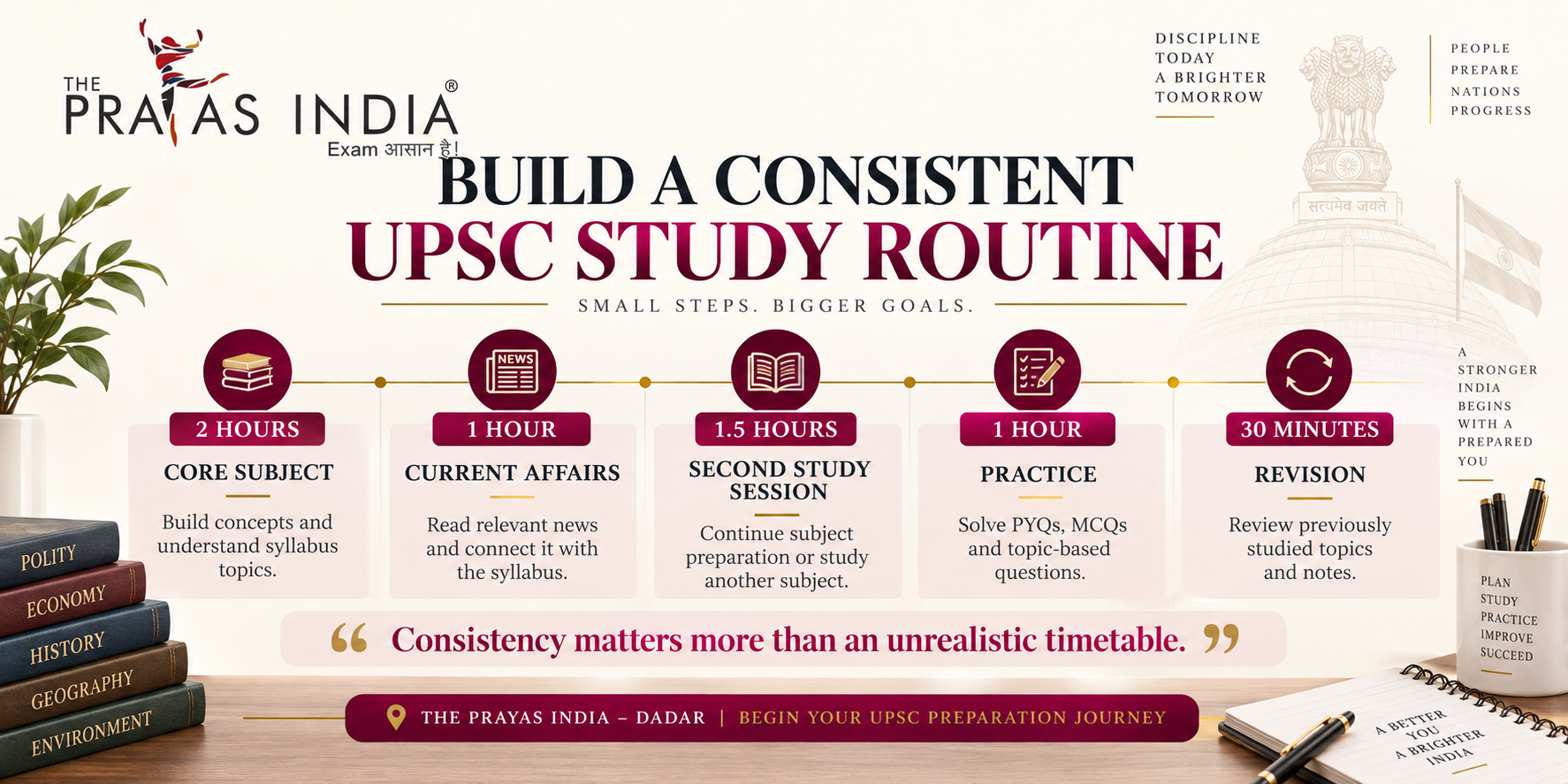
A Beginner’s Daily UPSC Study Schedule
The following is a sample schedule for someone beginning preparation with approximately six hours of available study time.
| Study session | Suggested duration | Activity |
|---|---|---|
| Session 1 | 2 hours | Core subject study – History, Geography or Polity |
| Session 2 | 1 hour | Current affairs and newspaper reading |
| Session 3 | 1.5 hours | Second subject or continuation of the first subject |
| Session 4 | 1 hour | PYQs, MCQs and practice |
| Session 5 | 30 minutes | Revision of previously studied topics |
This is a sample schedule, not a mandatory daily target. Beginners studying alongside college or work can adapt it to their available time.
How to Organise Your Weekly Preparation
Instead of studying a different subject randomly every day, try organising your preparation around a few major subjects.
For example:
- Monday: Polity and current affairs.
- Tuesday: Geography and practice questions.
- Wednesday: History and revision.
- Thursday: Economy and current affairs.
- Friday: Polity or another ongoing subject.
- Saturday: Subject revision and previous-year questions.
- Sunday: Weekly revision, practice test and preparation planning.
This schedule can be modified according to your syllabus, learning pace and available time.
The objective is not to complete an arbitrary number of chapters every week. The objective is to develop a consistent preparation routine.
Step 4: Start Current Affairs Preparation from the Beginning
Current affairs form an important part of UPSC preparation. However, beginners often make the mistake of reading several newspapers, watching multiple daily news videos and collecting large amounts of current-affairs material.
This approach can consume considerable time without necessarily improving understanding.
What Should UPSC Beginners Read in the Newspaper?
Focus on news and articles related to the examination syllabus.
Important areas may include:
- Government policies and programmes.
- Constitution and governance.
- Economy and financial developments.
- International relations.
- Environment and climate change.
- Science and technology.
- Social issues.
- Important judicial developments.
- Reports, institutions and relevant national developments.
News about routine political statements, entertainment, sensational incidents and unrelated developments generally does not need to become part of your UPSC notes unless it has relevant examination significance.
How Much Time Should You Spend on Current Affairs?
Beginners can initially dedicate approximately 45 minutes to one hour daily to current affairs, depending on their study schedule.
Rather than making notes on every article, identify the important topic, understand its background and connect it with the syllabus.
For example, if you read about a government policy related to agriculture, you can connect it with:
- Agricultural development.
- Rural economy.
- Government schemes.
- Food security.
- Social and economic issues.
This approach makes current affairs more useful for both Prelims and Mains preparation.
Step 5: Develop a Subject-Wise Preparation Strategy
UPSC preparation becomes easier to organise when subjects are studied systematically. Beginners should focus on building understanding rather than trying to complete everything simultaneously.
Indian Polity
Indian Polity is an important area of preparation for the Civil Services Examination.
Initially, focus on understanding:
- Constitution and its basic framework.
- Fundamental Rights.
- Directive Principles of State Policy.
- Fundamental Duties.
- Parliament.
- President and Prime Minister.
- Judiciary.
- Constitutional bodies.
- Federalism.
- Local government.
- Governance and public administration-related issues.
Start with basic constitutional concepts and gradually move towards more detailed topics.
History
History preparation can be divided into different areas.
- Ancient Indian History.
- Medieval Indian History.
- Modern Indian History.
- Indian freedom movement.
- Art and Culture.
Beginners should focus on understanding major developments, historical context, timelines and important movements.
Modern Indian History and the freedom movement deserve systematic preparation according to the syllabus and previous-year question patterns.
Geography
Geography requires conceptual understanding, maps and the ability to connect physical processes with real-world developments.
Important topics include:
- Physical Geography.
- Indian Geography.
- Climate.
- Rivers and drainage.
- Natural resources.
- Agriculture.
- Population.
- Human Geography.
- Geographical phenomena.
Map-based learning can help you understand locations, geographical features and related developments.
Economy
Beginners may find Economics challenging if they have not studied it previously.
Start with fundamental concepts such as:
- GDP and economic growth.
- Inflation.
- Banking.
- Monetary policy.
- Fiscal policy.
- Budget.
- Government expenditure.
- Employment.
- Poverty.
- Economic development.
Understanding the meaning and application of economic concepts is more important initially than memorising complicated figures.
Environment
Environment preparation includes ecological concepts, biodiversity, conservation and environmental issues.
Focus on:
- Ecology and ecosystems.
- Biodiversity.
- Climate change.
- Environmental pollution.
- Conservation.
- National parks and wildlife sanctuaries.
- Environmental laws and initiatives.
- Sustainable development.
Environment-related current affairs should be connected with static concepts whenever possible.
Science and Technology
Science and Technology preparation should be relevant to the syllabus and important developments.
Beginners can focus on understanding topics such as:
- Space technology.
- Biotechnology.
- Artificial intelligence.
- Defence technology.
- Digital technology.
- Scientific applications.
- Emerging technologies.
Avoid spending excessive time on advanced scientific details that are not relevant to the examination.
Step 6: Practise Previous-Year Questions and Mock Tests
Many beginners spend months reading books without attempting questions. Although reading is essential, it is equally important to understand how the examination tests the topics you study.
Practise UPSC Prelims Questions
Begin by solving subject-wise previous-year questions after completing relevant topics.
For example, after studying Fundamental Rights, attempt questions related to that topic. This helps you understand how conceptual knowledge is tested.
You can gradually increase the number of questions you attempt as your preparation progresses.
Start Mains Answer Writing Gradually
Answer writing does not need to begin with full-length answers on your first day of preparation.
Once you have developed a basic understanding of a subject, start practising short answers.
Initially, focus on:
- Understanding the question.
- Identifying what the question demands.
- Structuring your answer.
- Writing a relevant introduction.
- Developing logical points.
- Adding examples where appropriate.
- Writing a concise conclusion.
Gradually, you can practise different question formats and improve your answer-writing approach.
When Should Beginners Start Mock Tests?
Beginners can start with topic-wise tests before moving towards full-length tests.
A gradual approach may look like this:
| Preparation stage | Suggested practice |
|---|---|
| Foundation stage | Topic-wise questions and basic MCQs |
| Subject completion | Subject-specific tests |
| Multiple subjects covered | Mixed-topic tests |
| Prelims preparation phase | Full-length mock tests and analysis |
| Mains preparation phase | Timed answer-writing practice and test series, where appropriate |
Mock tests should not be treated only as score-generating exercises. Analysing mistakes, identifying weak topics and revising them are equally important.
Step 7: Decide Whether You Need UPSC Coaching in Dadar
Beginners often ask whether they should prepare independently or join UPSC coaching classes.
The answer depends on their learning preferences, preparation level, available time, academic background and ability to maintain a consistent study schedule.
Self-study can work for candidates who are disciplined, comfortable with independent learning and capable of organising their syllabus, resources and practice.
However, some beginners prefer classroom coaching because they need structured preparation, guidance in understanding the syllabus, a learning routine and opportunities to interact with educators.
What Should Beginners Look for in UPSC Coaching Classes?
If you are exploring UPSC coaching in Dadar, consider the following factors before enrolling.
| Factor | What to evaluate |
|---|---|
| Syllabus coverage | Whether the preparation approach addresses the relevant UPSC syllabus |
| Teaching methodology | How concepts are explained and developed |
| Study material | Whether material is organised, useful and syllabus-oriented |
| Practice system | Availability of question practice, assessments and revision |
| Doubt-solving | How academic queries are addressed |
| Answer-writing support | Whether students get opportunities to practise and improve |
| Batch timings | Whether the schedule suits your routine |
| Course structure | Whether the programme fits your preparation level and timeline |
Do not select a coaching institute only because of promotional claims. Understand the actual course structure and whether it matches your needs.
UPSC Coaching for Beginners at The Prayas India – Dadar
For students beginning UPSC preparation in Dadar, exploring a classroom-based learning environment can be one way to organise their preparation journey.
The Prayas India – Dadar is a local coaching option for aspirants who want to enquire about UPSC preparation and available programmes.
Before enrolling, beginners should visit the centre, understand the course structure, enquire about available batches and evaluate whether the preparation approach suits their requirements.
Students should specifically enquire about:
- UPSC course structure and syllabus coverage.
- Available batch timings.
- Study material and preparation resources.
- Practice and assessment arrangements.
- Doubt-solving support.
- Course duration and fees.
- Admission process.
A direct discussion with the institute can help beginners understand what to expect before starting their preparation.
Step 8: Manage UPSC Preparation Alongside College or Work
Not every UPSC aspirant can dedicate the entire day to preparation. Many students begin their journey while pursuing a degree, and some candidates prepare while working.
The important thing is to create a manageable routine rather than attempting an unrealistic timetable.
UPSC Preparation for College Students
College students can gradually develop their preparation by:
- Reading the syllabus early.
- Building basic subject knowledge.
- Studying NCERT textbooks.
- Reading relevant current affairs.
- Practising questions regularly.
- Maintaining a realistic daily study schedule.
- Using weekends for revision.
Students should avoid compromising their academic responsibilities unnecessarily. A balanced schedule can help them develop their UPSC preparation gradually.
UPSC Preparation for Working Professionals
Working professionals may need a different preparation strategy because of limited time.
A manageable approach can include:
- Studying before or after work.
- Using weekends for longer study sessions.
- Keeping current-affairs reading consistent.
- Studying one major subject at a time.
- Using short revision sessions.
- Planning weekly targets rather than daily unrealistic goals.
Working professionals should consider their available time, examination timeline and preparation level before deciding whether to pursue full-time or longer-term preparation.
Step 9: Avoid Common Mistakes When Starting UPSC Preparation
Beginners can save considerable time by avoiding common preparation mistakes.
1. Studying Without Reading the Syllabus
Starting preparation without understanding the syllabus can lead to unnecessary reading and poor prioritisation.
Keep the syllabus accessible and refer to it regularly.
2. Collecting Too Many Books
Using multiple books for the same subject can create confusion.
Start with a limited number of reliable sources and revise them properly before adding more resources.
3. Ignoring Previous-Year Questions
Previous-year questions help you understand the examination’s expectations and the relevance of different topics.
Analyse them alongside your preparation.
4. Avoiding Revision
Reading a topic once is rarely sufficient for long-term retention.
Schedule revision sessions regularly and revisit important concepts.
5. Delaying Practice
Do not wait until the syllabus is completely finished to begin solving questions.
Gradually introduce MCQs, PYQs and answer-writing exercises into your preparation.
6. Following Too Many Current-Affairs Sources
Reading multiple newspapers, watching several daily videos and collecting different notes can consume too much time.
Choose a manageable routine and focus on understanding relevant developments.
7. Comparing Your Preparation with Others
Every aspirant has a different educational background, preparation timeline and learning pace.
Focus on your progress, identify weak areas and maintain a realistic routine.
8. Creating an Unrealistic Study Schedule
A timetable that requires you to study excessively every day may be difficult to sustain.
Begin with a manageable routine and increase your study time gradually when necessary.
Step 10: Your First 30 Days of UPSC Preparation
If you are starting UPSC preparation from zero, the first month should focus on building a foundation rather than trying to finish the entire syllabus.
The following is a sample 30-day beginner plan that you can adapt to your preparation level.
| Period | Preparation focus |
|---|---|
| Week 1 | Understand UPSC exam structure, read syllabus, explore PYQs and organise study resources |
| Week 2 | Begin NCERT-based foundation study, start current affairs and develop a daily routine |
| Week 3 | Continue foundational subjects, practise topic-wise questions and revise previous topics |
| Week 4 | Review studied subjects, attempt basic tests, analyse mistakes and plan the next month |
What Should You Achieve in Your First Month?
By the end of your first month, aim to:
- Understand the basic UPSC examination structure.
- Become familiar with the syllabus.
- Start studying at least one or two foundational subjects.
- Develop a regular current-affairs routine.
- Attempt basic previous-year questions.
- Create short, useful notes.
- Establish a realistic study timetable.
- Identify subjects that require additional guidance.
- Develop a habit of revision.
The first month is about developing a preparation system that you can sustain. It is not a race to finish the syllabus.
How to Reach The Prayas India – Dadar for UPSC Preparation
If you are looking for UPSC coaching classes in Dadar and want to explore a classroom preparation option, you can visit The Prayas India – Dadar to enquire about available courses and batches.
The Prayas India – Dadar
- Address: 15, Bismillah Building, Infront of Suvidha, Station, opp. Dadar West, Dadar West, Dadar, Mumbai, Maharashtra 400028.
- Contact for enquiries: 07710013217
- Directions: View The Prayas India – Dadar on Google Maps
The centre may be an option for aspirants travelling from Dadar West, Dadar East, Parel, Prabhadevi, Shivaji Park, Matunga, Mahim and nearby parts of Mumbai, depending on their commuting requirements.
Students should directly confirm available UPSC courses, batch timings, fees and admission details before enrolling.
Conclusion
Starting UPSC preparation from scratch can feel challenging, especially when you are unfamiliar with the syllabus, subjects, books and examination stages. However, a clear preparation strategy can make the journey more manageable.
Begin by understanding the UPSC examination and reading the syllabus. Build your foundation through relevant NCERT textbooks, study core subjects systematically, follow current affairs, practise previous-year questions and revise regularly.
Whether you choose self-study or classroom coaching, consistency, understanding and disciplined preparation are essential parts of your journey.
If you are planning to begin UPSC preparation in Dadar, Mumbai, you can explore the preparation options available at The Prayas India – Dadar and enquire about the course structure, batch timings and admission process.
Start with the basics, develop a consistent routine and take one step at a time towards your UPSC preparation goal.
Frequently Asked Questions
How can I start UPSC preparation in Dadar as a beginner?
Start by understanding the UPSC examination structure and syllabus. Read relevant NCERT textbooks, study core subjects, follow current affairs, practise previous-year questions and develop a consistent study schedule. Beginners in Dadar can also explore classroom coaching options based on their learning requirements.
Can I prepare for UPSC from zero without prior knowledge?
Yes, beginners can start UPSC preparation without prior specialised knowledge. Begin with basic concepts, relevant NCERT textbooks, the official syllabus and previous-year question papers. Gradually progress towards more advanced study material, practice tests and answer-writing exercises.
How many hours should a beginner study for UPSC daily?
The number of study hours depends on your preparation level, schedule and target examination year. Beginners can start with a manageable daily routine and gradually increase their study time. Consistent, focused preparation and revision are more useful than following an unrealistic timetable.
Which books should beginners read for UPSC preparation?
Beginners can start with relevant NCERT textbooks for History, Geography, Political Science, Economics and other syllabus-related subjects. They can gradually introduce standard reference books, previous-year questions, current-affairs resources and subject-specific material according to the syllabus.
Can I start UPSC preparation during college?
Yes, college students can begin UPSC preparation while pursuing their degree. They can start with the syllabus, foundational reading, current affairs and basic question practice. A realistic study routine can help them gradually develop their preparation without unnecessarily neglecting academic responsibilities.
Is UPSC coaching necessary for beginners?
UPSC coaching is not compulsory. Candidates can prepare through self-study if they can manage their syllabus, study material, practice, revision and preparation schedule independently. Coaching may help some beginners with structured learning, guidance, classroom interaction and academic support.
What should I look for in UPSC coaching classes in Dadar?
Consider syllabus coverage, teaching methodology, study material, practice tests, doubt-solving arrangements, answer-writing support, batch timings and course structure. Visit the institute and enquire about the available programmes before enrolling.
Where can I enquire about UPSC coaching in Dadar?
Students can enquire about UPSC preparation at The Prayas India – Dadar, located at 15, Bismillah Building, Infront of Suvidha, Station, opp. Dadar West, Dadar West, Dadar, Mumbai, Maharashtra 400028.
Can working professionals start UPSC preparation?
Yes, working professionals can begin UPSC preparation by developing a realistic schedule, studying consistently, using weekends for longer study sessions and prioritising revision and practice. Their preparation strategy should be adapted to their available time.
How should I prepare for UPSC during my first month?
During the first month, understand the examination structure, read the syllabus, explore previous-year questions, begin foundational subjects, develop a current-affairs routine and start basic question practice. Focus on building sustainable study habits rather than rushing through the syllabus.
Begin Your UPSC Preparation in Dadar
Starting your UPSC journey? Explore classroom preparation options, enquire about available courses and take the first step towards your Civil Services preparation.
CALL NOW: 07710013217
The Prayas India – Dadar
15, Bismillah Building, Infront of Suvidha, Station, opp. Dadar West, Dadar West, Dadar, Mumbai, Maharashtra 400028