Why Is a Structured Study Plan Important for UPSC Aspirants?
Preparing for the UPSC Civil Services Examination is a long-term commitment that requires discipline, patience and consistent effort. The examination covers a vast syllabus, including History, Geography, Indian Polity, Economy, Environment, Science and Technology, and Current Affairs. Without proper planning, aspirants may find it difficult to manage different subjects, revise important topics and maintain consistency.
This is why having a Structured Study Plan for UPSC is essential. A well-planned timetable helps students divide the syllabus into manageable sections, set realistic daily targets and track their preparation progress.
Whether you are preparing independently or exploring IAS Coaching in Navi Mumbai, following a systematic study routine can make your preparation more organised and productive.
For students searching for the Best IAS Coaching in Navi Mumbai, understanding the importance of planning is equally valuable before beginning their preparation journey.
Helps You Complete the Vast UPSC Syllabus Systematically
One of the biggest challenges in UPSC preparation is the size of the syllabus. Students need to study multiple subjects while keeping track of both static topics and current developments.
Without a proper UPSC study plan, aspirants may spend too much time on a few favourite subjects and leave other important areas incomplete.
A structured study plan helps you:
- Divide the syllabus into smaller topics.
- Assign specific subjects to different days.
- Set weekly and monthly preparation targets.
- Allocate sufficient time to difficult subjects.
- Monitor completed and pending topics.
For example, you can dedicate particular days to Polity, History, Geography and Economy while keeping time for Current Affairs and revision.
Students attending UPSC Coaching in Navi Mumbai can also use their class schedules to organise independent study around classroom sessions.
Improves Time Management
Time management is a crucial part of the Civil Services preparation journey. UPSC aspirants often have to balance lectures, self-study, newspaper reading, note-making, revision and mock tests.
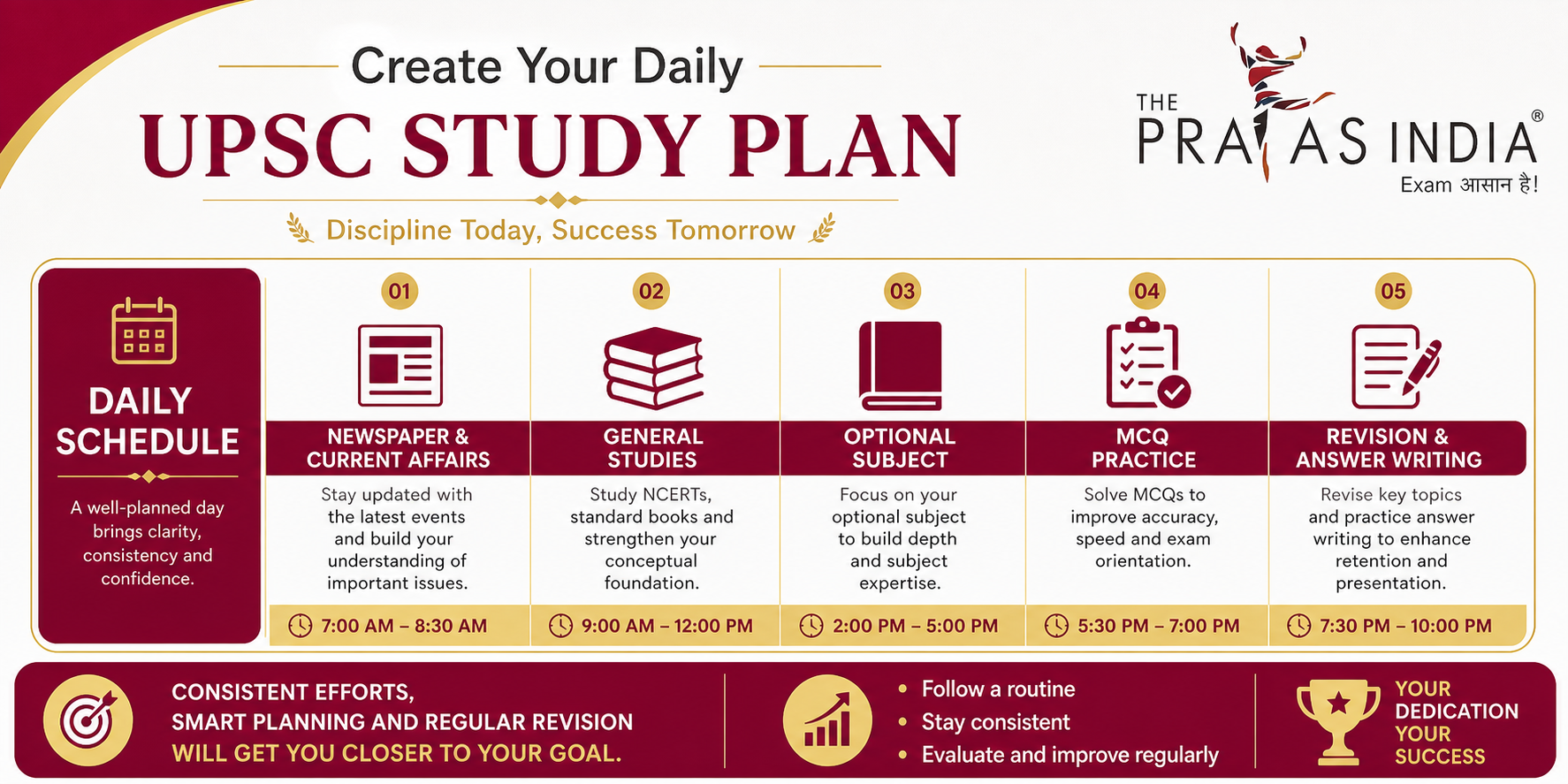
A Daily Study Timetable for UPSC helps students decide how much time to spend on each activity.
Instead of studying randomly, you can create fixed study sessions for different subjects.
For example:
| Study Activity | Suggested Time |
|---|---|
| Newspaper and Current Affairs | 45 minutes |
| General Studies Subject | 2 hours |
| Second Subject or Optional Subject | 1.5 hours |
| MCQ Practice | 45 minutes |
| Revision and Note-Making | 1 hour |
| Answer-Writing Practice | 30 minutes |
| Total | 6.5 hours |
This is an illustrative routine. Adjust the timings according to your preparation level, available time and individual requirements.
Following a realistic timetable can help aspirants maintain a balance between learning new topics and revising previously studied material.
Creates Consistency in UPSC Preparation
Consistency is more important than studying for long hours occasionally. Many aspirants begin their preparation with enthusiasm but struggle to maintain the same routine over time.
A structured UPSC Preparation Strategy makes it easier to develop regular study habits.
For example, setting a daily target of completing one topic, solving a fixed number of questions or revising previously studied chapters gives your preparation a clear direction.
Students preparing through IAS Classes in Nerul or independently should focus on building a routine that they can follow consistently.
Remember, a practical timetable followed regularly is more useful than an unrealistic schedule that becomes difficult to maintain.
Gives Equal Attention to Prelims and Mains
The UPSC Civil Services Examination consists of three stages:
- Preliminary Examination
- Main Examination
- Personality Test
Each stage requires a different preparation approach. Prelims focuses on objective questions and CSAT, while Mains tests analytical understanding, answer-writing ability and knowledge of different subjects.
A structured study plan helps you prepare for these requirements without ignoring one stage.
Your preparation schedule should include:
For Prelims:
- NCERT and standard reference books.
- Static subject preparation.
- Current Affairs revision.
- Multiple-choice question practice.
- Previous Year Question analysis.
- CSAT preparation.
For Mains:
- Detailed General Studies preparation.
- Optional subject preparation.
- Regular answer-writing practice.
- Essay writing.
- Case studies and examples where relevant.
- Revision of important topics.
If you are exploring Best IAS Coaching in Nerul, check whether the available programme provides guidance for the different stages of the examination.
Makes Revision a Regular Habit
Reading a topic once does not mean you will remember it during the examination. UPSC preparation involves understanding and retaining a large amount of information.
Without regular revision, students may forget important facts, concepts, dates and examples.
A structured study plan should include dedicated revision sessions.
You can follow a simple revision cycle:
- Daily: Revise the topics studied during the day.
- Weekly: Review all subjects covered during the week.
- Monthly: Revise important chapters and current affairs.
- Before tests: Revisit weak areas and important notes.
For example, if you complete a chapter on Fundamental Rights in Indian Polity, revise it after a few days and then practise related UPSC previous-year questions.
This approach can strengthen conceptual understanding and improve retention.
Helps Identify Strengths and Weaknesses
Every UPSC aspirant has subjects or topics that require additional attention. Some students may find Economy difficult, while others may need more practice in Geography, CSAT or answer writing.
A structured UPSC study plan allows you to monitor your progress and identify these areas.
Maintain a simple performance tracker with the following details:
| Subject | Preparation Status | Next Action |
|---|---|---|
| Indian Polity | Good | Revise and practise MCQs |
| Modern History | In Progress | Complete remaining chapters |
| Geography | Needs Revision | Review concepts and maps |
| Economy | In Progress | Practise application-based questions |
| Environment | Pending Topics | Follow the syllabus |
| CSAT | Needs Practice | Solve regular question sets |
Review your tracker every week. Give more time to subjects that need improvement instead of repeatedly studying topics you already understand.
Students looking for UPSC Coaching in Navi Mumbai can also enquire about the availability of regular assessments and performance feedback.
Makes Mock Tests More Effective
Mock tests are an important part of UPSC preparation. However, simply attempting tests is not enough. Students should analyse their performance and learn from their mistakes.
A well-organised UPSC Study Plan should include regular test practice.
Consider including:
- Topic-wise tests after completing individual chapters.
- Sectional tests after finishing major subjects.
- Full-length Prelims mock tests during the appropriate preparation phase.
- Regular Mains answer-writing practice.
- CSAT practice sessions.
- Detailed analysis of incorrect answers.
After every test, identify whether the mistake occurred due to a lack of conceptual clarity, incorrect interpretation, poor time management or unnecessary guessing.
This analysis helps you improve your preparation strategy gradually.

Reduces Last-Minute Stress
When preparation is not organised, students may realise close to the examination that several important topics are still incomplete.
This can create unnecessary pressure and affect revision.
A structured UPSC Preparation Strategy reduces this problem by setting achievable milestones.
For example, divide your preparation into three broad phases:
Phase 1: Foundation Building
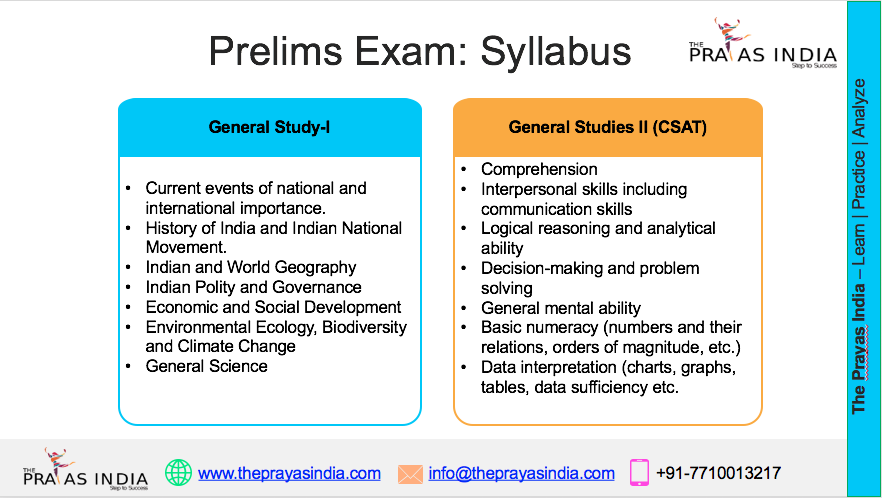
- Understand the UPSC syllabus.
- Study NCERT books and basic concepts.
- Develop newspaper-reading habits.
- Begin subject-wise preparation.
Phase 2: Strengthening Preparation
- Cover standard reference material.
- Practise previous-year questions.
- Prepare concise notes.
- Begin regular answer writing.
- Revise completed subjects.
Phase 3: Revision and Assessment
- Revise important topics.
- Attempt mock tests.
- Analyse mistakes.
- Improve weak areas.
- Practise time management.
The exact duration of each phase should depend on your examination timeline and current preparation level.
Makes Self-Study More Productive
Coaching can provide academic guidance, but self-study remains an essential part of UPSC preparation.
Students should dedicate time to understanding concepts, reading standard books, revising notes and solving questions independently.
A structured study plan helps aspirants make better use of their self-study hours.
For students attending IAS Coaching in Nerul, a practical routine could look like this:
- Attend scheduled classroom sessions.
- Revise the topics covered in class.
- Complete assigned practice questions.
- Read relevant current affairs.
- Prepare short revision notes.
- Clear doubts before moving to the next topic.
This approach helps connect classroom learning with independent preparation.
Helps Working Professionals and College Students
Not every UPSC aspirant can study throughout the day. Many candidates prepare alongside college, employment or other responsibilities.
For such students, time management becomes even more important.
A flexible Daily Study Timetable for UPSC can help them divide preparation into smaller sessions.
For example:
| Time Slot | Suggested Activity |
|---|---|
| Morning | Newspaper and Current Affairs |
| Afternoon or Break | Short revision session |
| Evening | Main subject preparation |
| Night | MCQs or answer-writing practice |
| Weekend | Weekly revision and mock tests |
The timetable should be realistic and should allow sufficient rest. Students should avoid comparing their schedules with those of full-time aspirants.
If you are searching for Best IAS Coaching in Navi Mumbai, enquire about batch timings and available programmes that may suit your daily routine.
Sample Weekly UPSC Study Plan
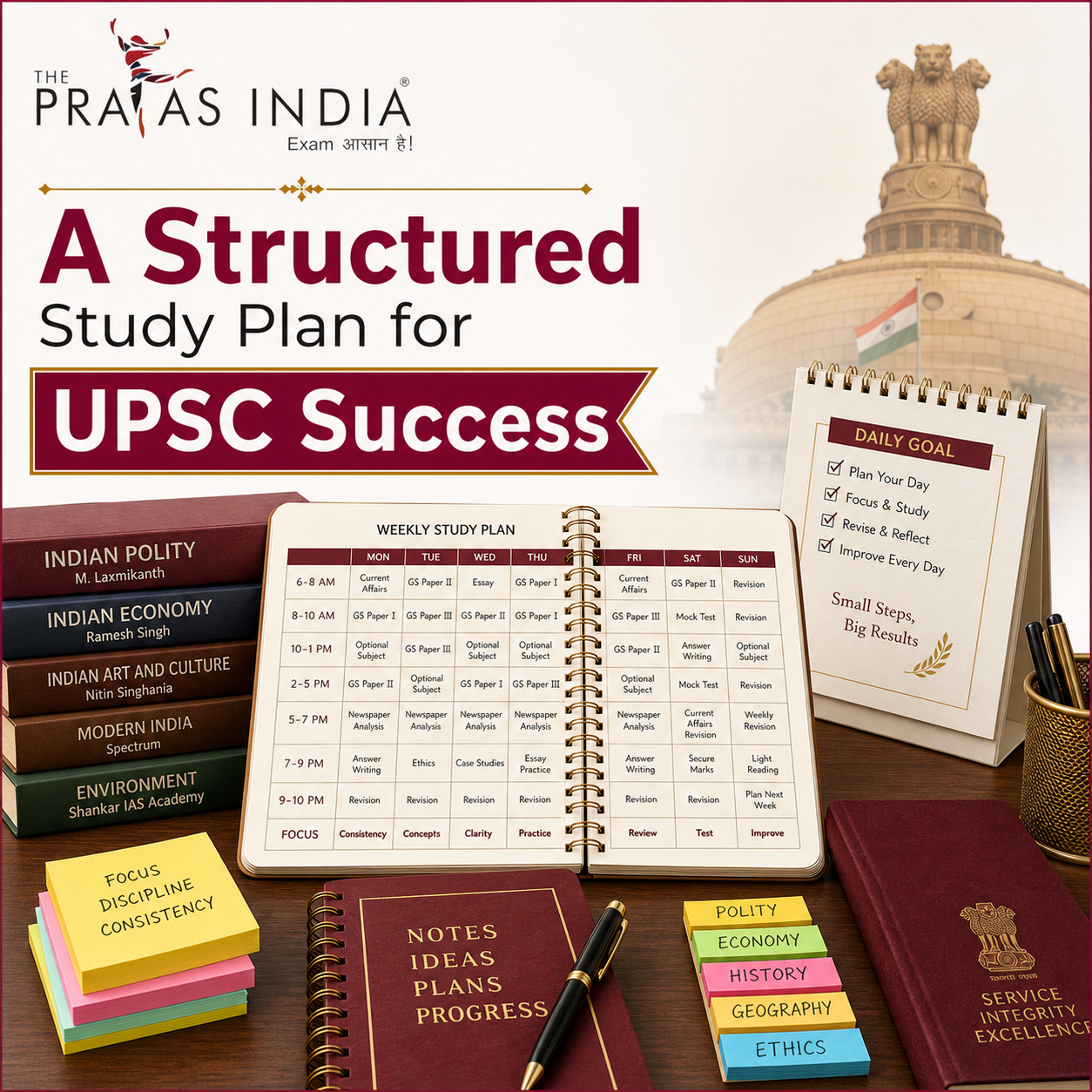
Here is an illustrative weekly timetable for aspirants who want to organise their General Studies preparation.
| Day | Main Subject | Additional Practice |
|---|---|---|
| Monday | Indian Polity | Current Affairs + MCQs |
| Tuesday | Modern History | Previous Year Questions |
| Wednesday | Geography | Map Practice |
| Thursday | Indian Economy | Concept Revision |
| Friday | Environment | Current Affairs |
| Saturday | Science and Technology | Mains Answer Writing |
| Sunday | Weekly Revision | Mock Test and Analysis |
Optional subject preparation, CSAT and essay practice should also be included according to your individual preparation stage.
Common Mistakes to Avoid While Creating a UPSC Study Plan
Even a well-designed timetable may fail if it is unrealistic or too rigid.
Avoid these common mistakes:
1. Setting Unrealistic Daily Targets: Do not plan more study hours than you can consistently manage.
2. Ignoring Revision: Completing new chapters without revisiting old topics can reduce retention.
3. Studying Too Many Resources: Avoid collecting multiple books and materials for the same subject without a clear need.
4. Avoiding Mock Tests: Regular assessment helps you understand your preparation level.
5. Ignoring CSAT: Candidates should give sufficient attention to CSAT practice.
6. Not Analysing Performance: Test scores are useful, but understanding mistakes is equally important.
7. Following Someone Else’s Timetable Blindly: Your study plan should match your learning speed, available time and preparation level.
How The Prayas India Can Help You Organise Your UPSC Preparation in Nerul
A structured study routine becomes easier to follow when students understand the syllabus, receive academic guidance and practise regularly.
Students searching for IAS Coaching in Navi Mumbai, Best IAS Coaching in Nerul or UPSC Coaching in Navi Mumbai can explore the currently available programmes at The Prayas India.
At the Nerul branch, aspirants can enquire about:
- Currently available IAS and UPSC preparation programmes.
- Course structure and subject coverage.
- Teaching methodology and faculty details.
- Study material and practice resources.
- Test series and assessment support.
- Doubt-clearing facilities.
- Batch timings and fee details.
The Prayas India is located in Nerul West and can be considered by students from Nerul and nearby Navi Mumbai areas.
The Prayas India – Nerul Branch
- Address: F-105, 1st Floor, Nerul West, Nerul, Maharashtra 400706
- Phone: +91 77100 13217
Conclusion
A structured study plan is one of the most useful tools for UPSC aspirants. It helps manage the vast syllabus, improve time management, maintain consistency, schedule revision and prepare for Prelims and Mains systematically.
However, a timetable alone cannot guarantee success. Students must combine proper planning with regular self-study, conceptual understanding, current affairs reading, mock tests and continuous improvement.
Whether you are preparing independently or exploring IAS Coaching in Navi Mumbai, create a realistic study routine and follow it consistently.
For aspirants looking for Best IAS Coaching in Nerul, understanding the available academic support and course structure can be a useful first step towards organised Civil Services preparation.
Frequently Asked Questions
1. Why is a structured study plan important for UPSC preparation?
A structured study plan helps UPSC aspirants divide the syllabus, manage study hours, schedule revision, practise mock tests and track preparation progress systematically.
2. How many hours should I study daily for UPSC?
Study hours depend on your preparation level, daily responsibilities and learning speed. Focus on consistent, productive study sessions rather than following an unrealistic timetable.
3. Should UPSC aspirants prepare for Prelims and Mains together?
Yes. Aspirants should develop conceptual understanding for both stages while including objective question practice, answer writing and revision in their preparation schedule.
4. How often should I revise for UPSC?
Daily, weekly and monthly revision can help improve retention. Aspirants should also revise important topics before mock tests and examinations.
5. Where can I explore IAS coaching in Nerul?
Students can enquire about currently available IAS and UPSC preparation programmes at The Prayas India, F-105, 1st Floor, Nerul West, Nerul, Maharashtra 400706. Contact: +91 77100 13217.
Ready to Organise Your UPSC Preparation?
Explore currently available IAS and UPSC preparation programmes at The Prayas India, Nerul. Connect with the team to enquire about course structure, academic guidance and batch details.